CCUS routes for coal-fired power plants.
01 / 12
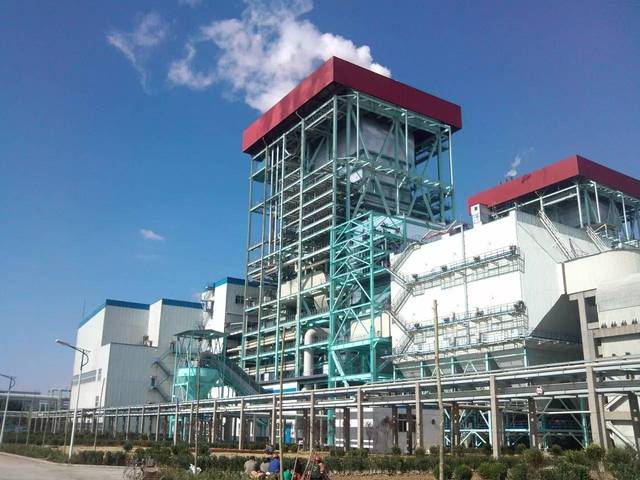
The project asks how a coal-fired power plant can capture CO₂ and connect it with technically credible utilisation routes.
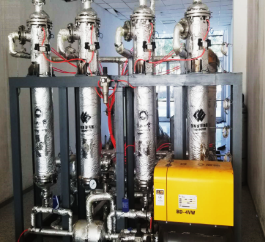 Adsorption
 Membrane separation
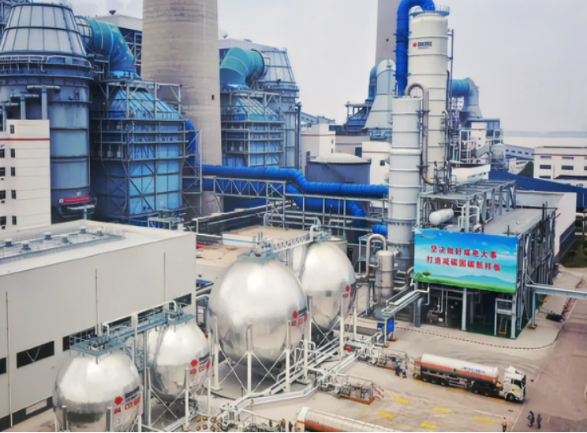 Chemical absorption
I compared established capture technologies before focusing on hydrate separation, mineralisation and biological utilisation.
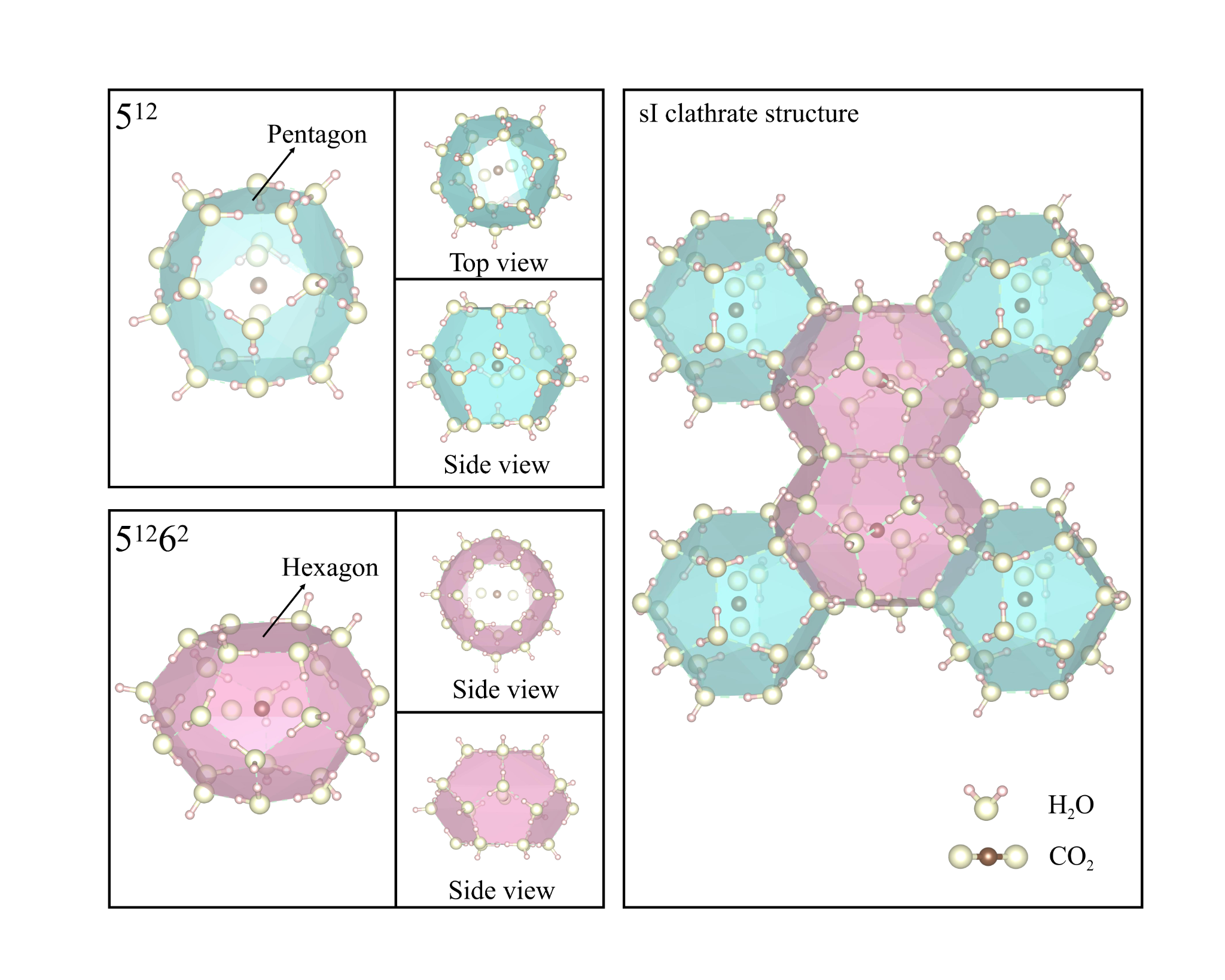 Water cages and guest molecules
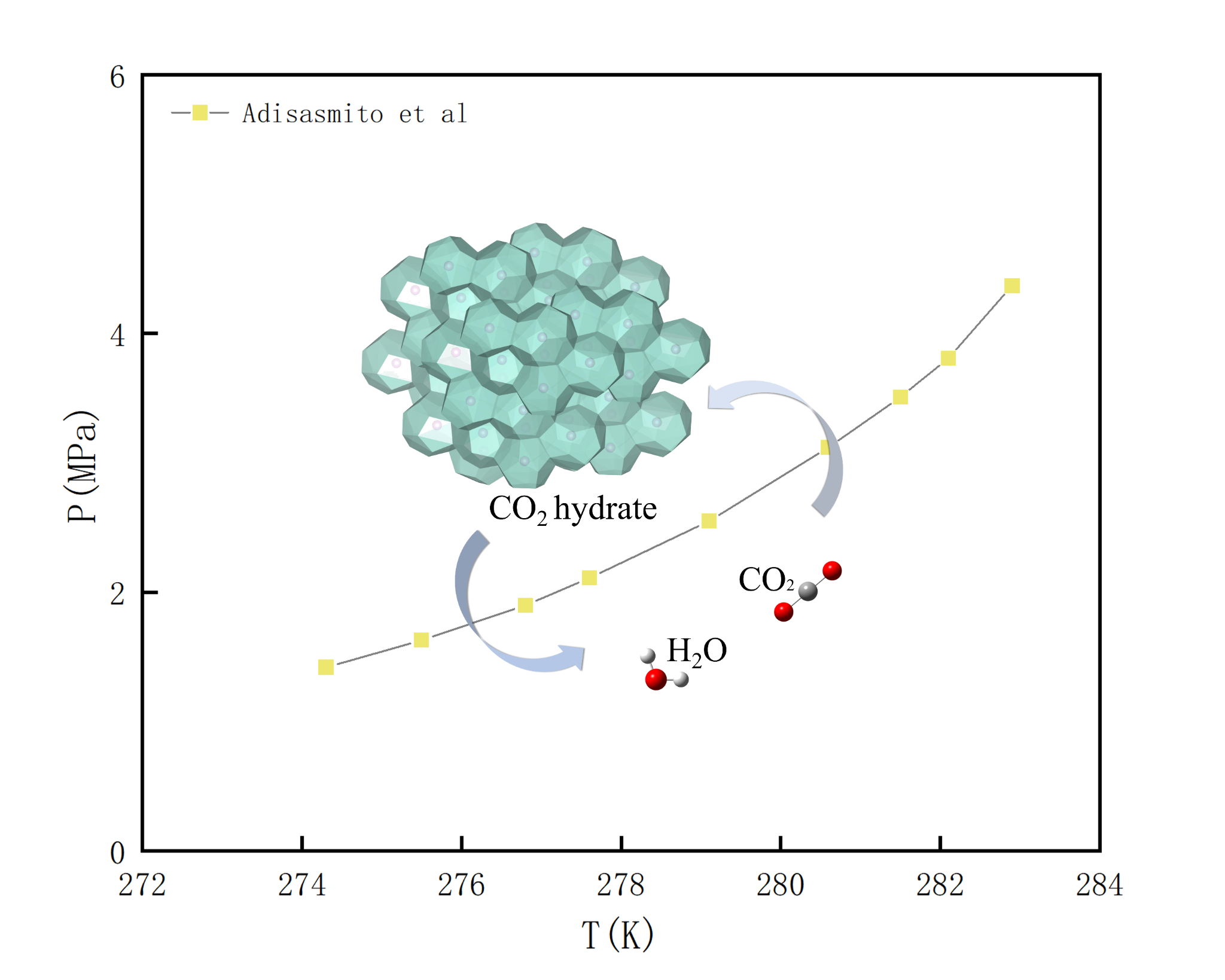 Pressure–temperature stability
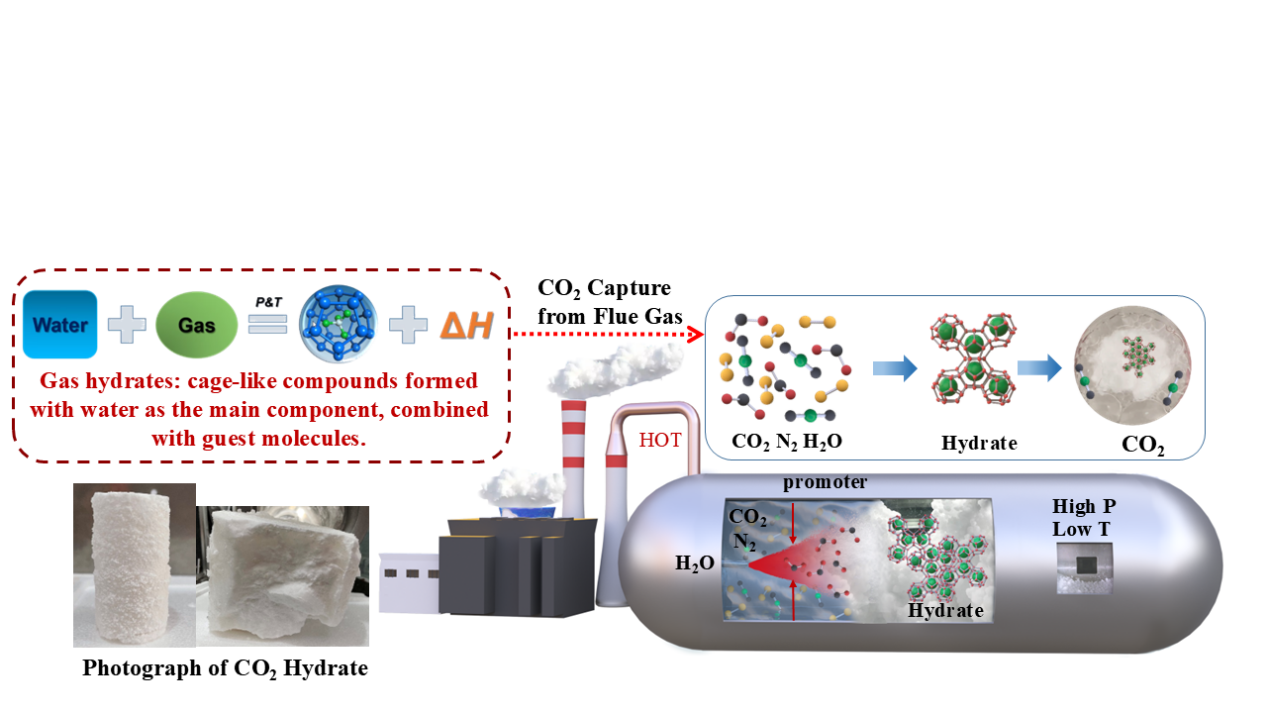
Water cages selectively incorporate gas molecules under suitable temperature, pressure and composition.
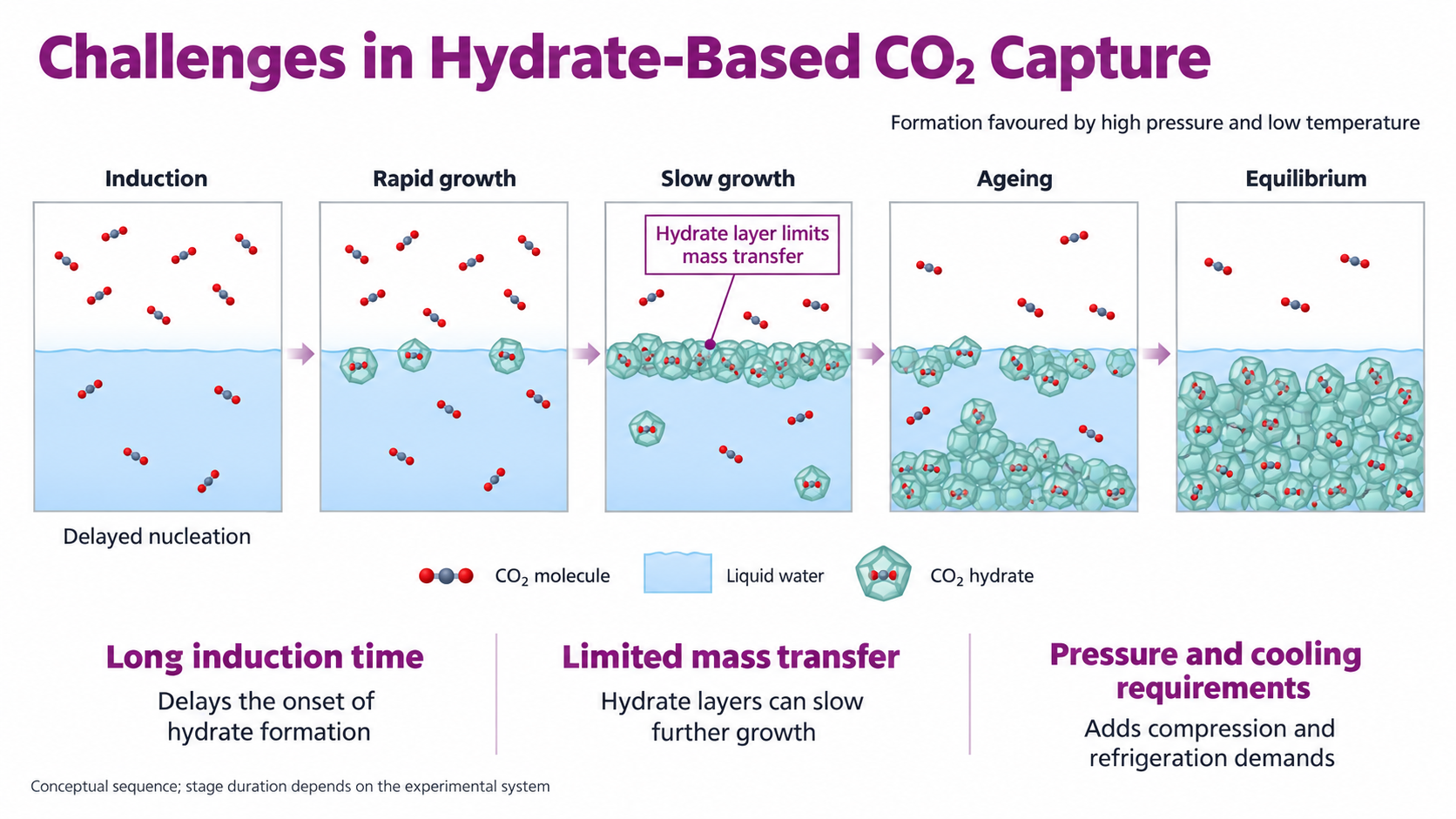
Long induction, limited mass transfer and cooling or compression demand constrain practical hydrate formation.
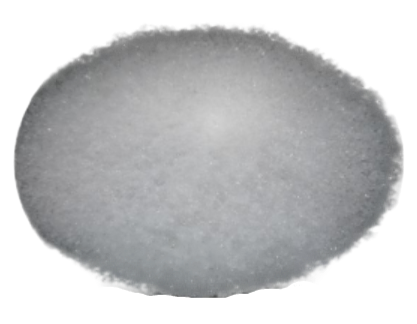 Activated ice powder
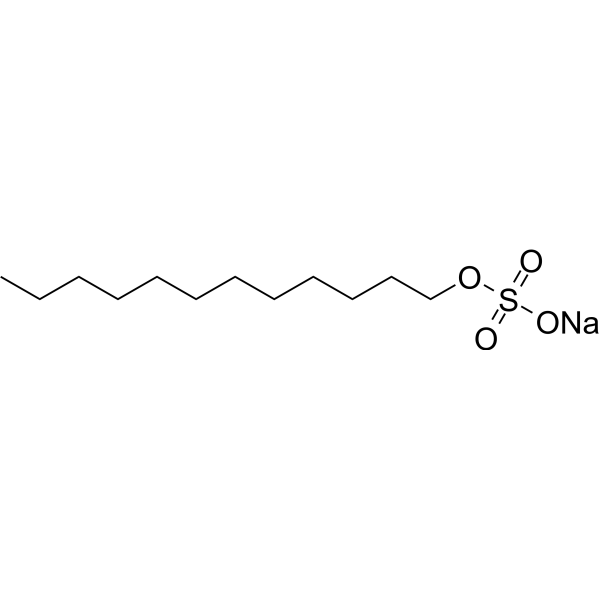 SDS
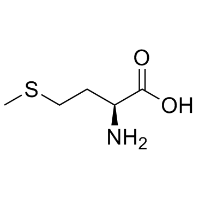 L-methionine
The proposed formulation combines heterogeneous nucleation with low-dose chemical promoters.
 Formulation, formation tests and scale-up assessment
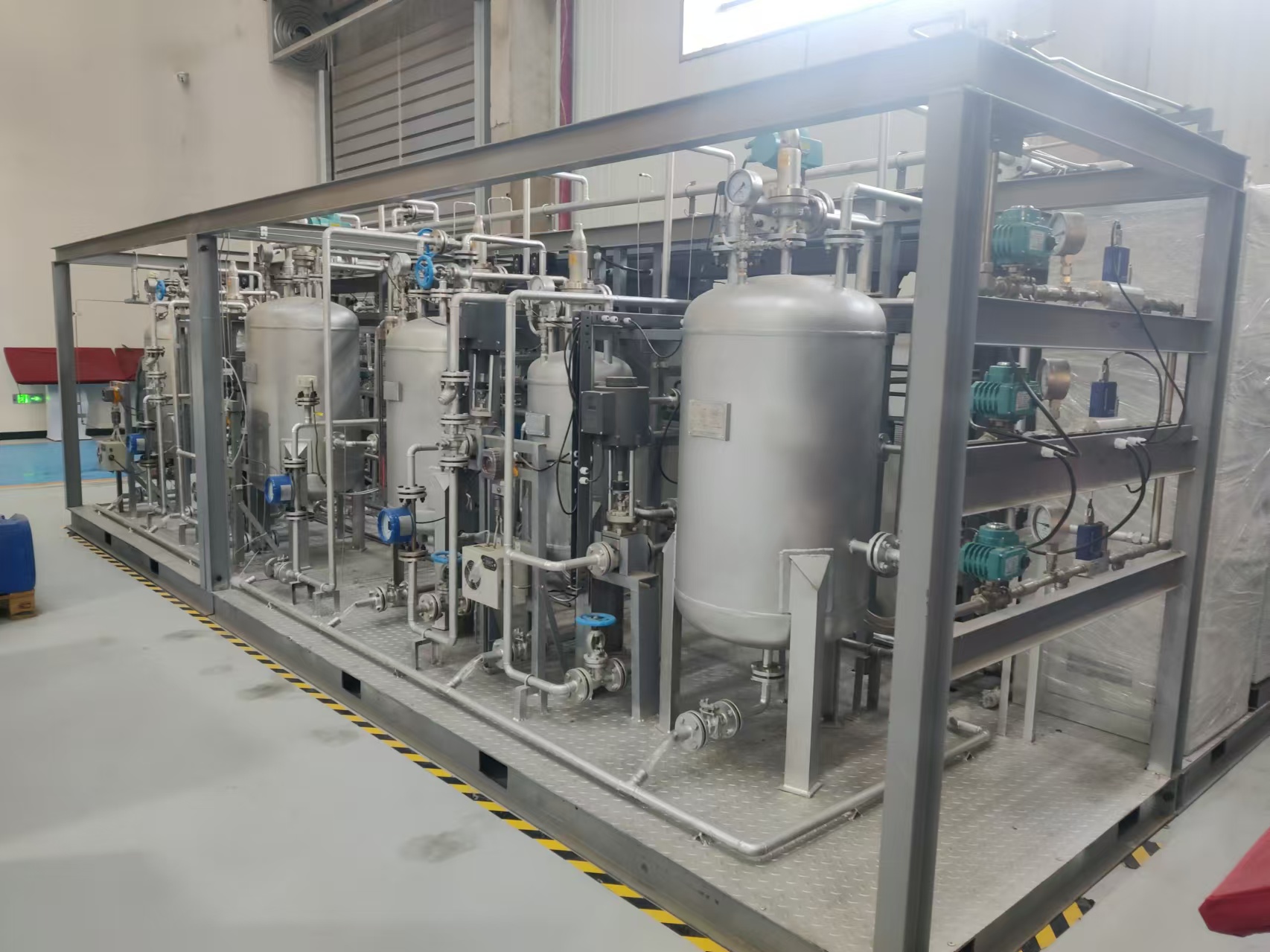
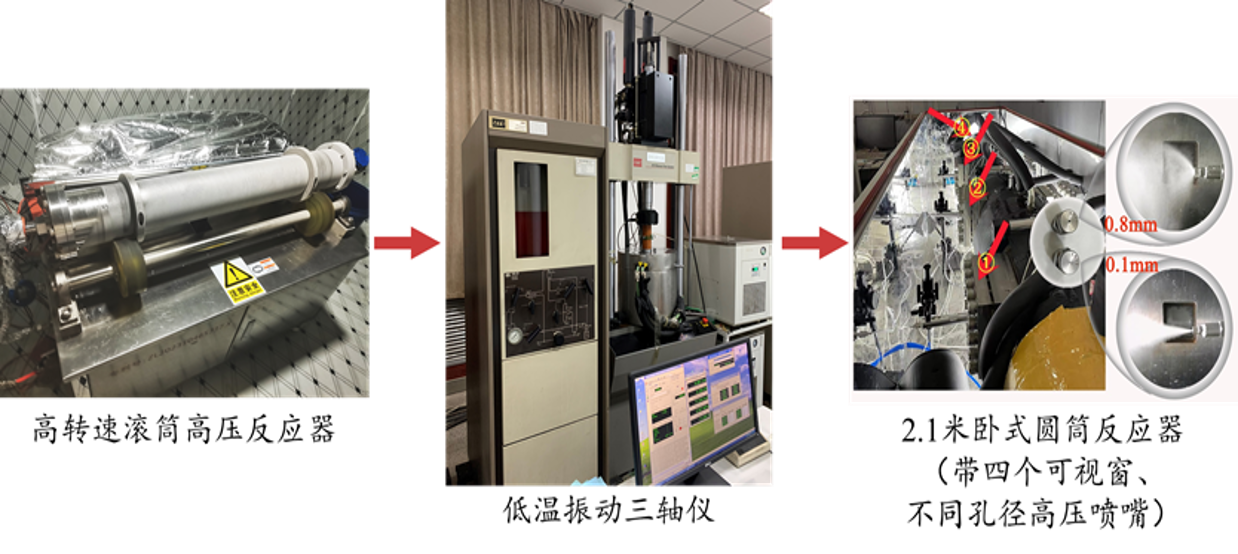 Horizontal reactor and test system
The plan moves from formulation development to controlled model-flue-gas testing and laboratory scale-up assessment.
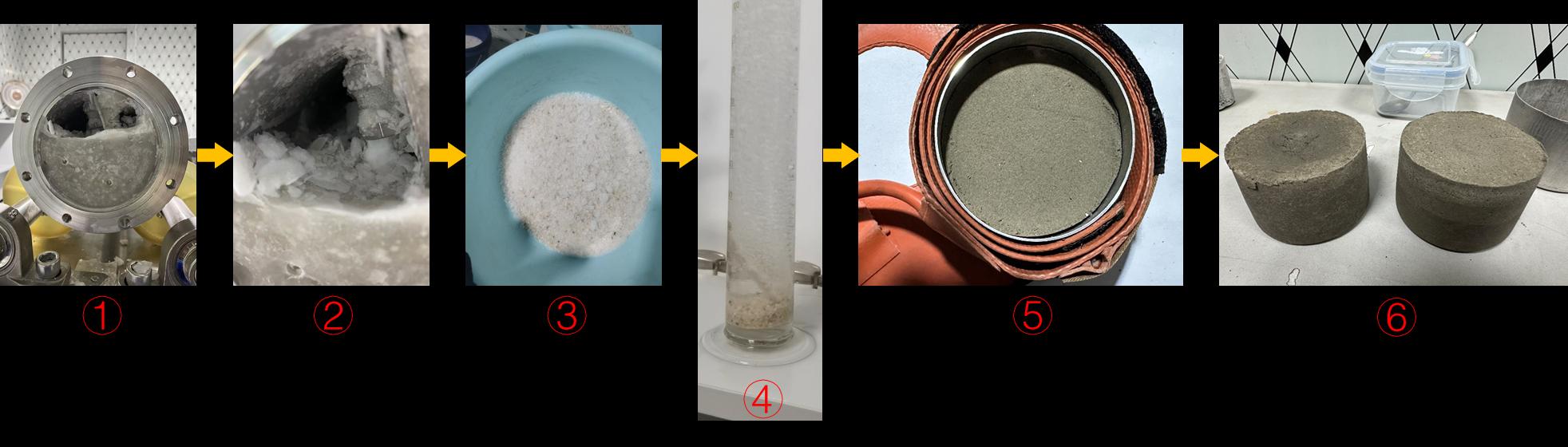 CO₂-bubble cementitious prototype
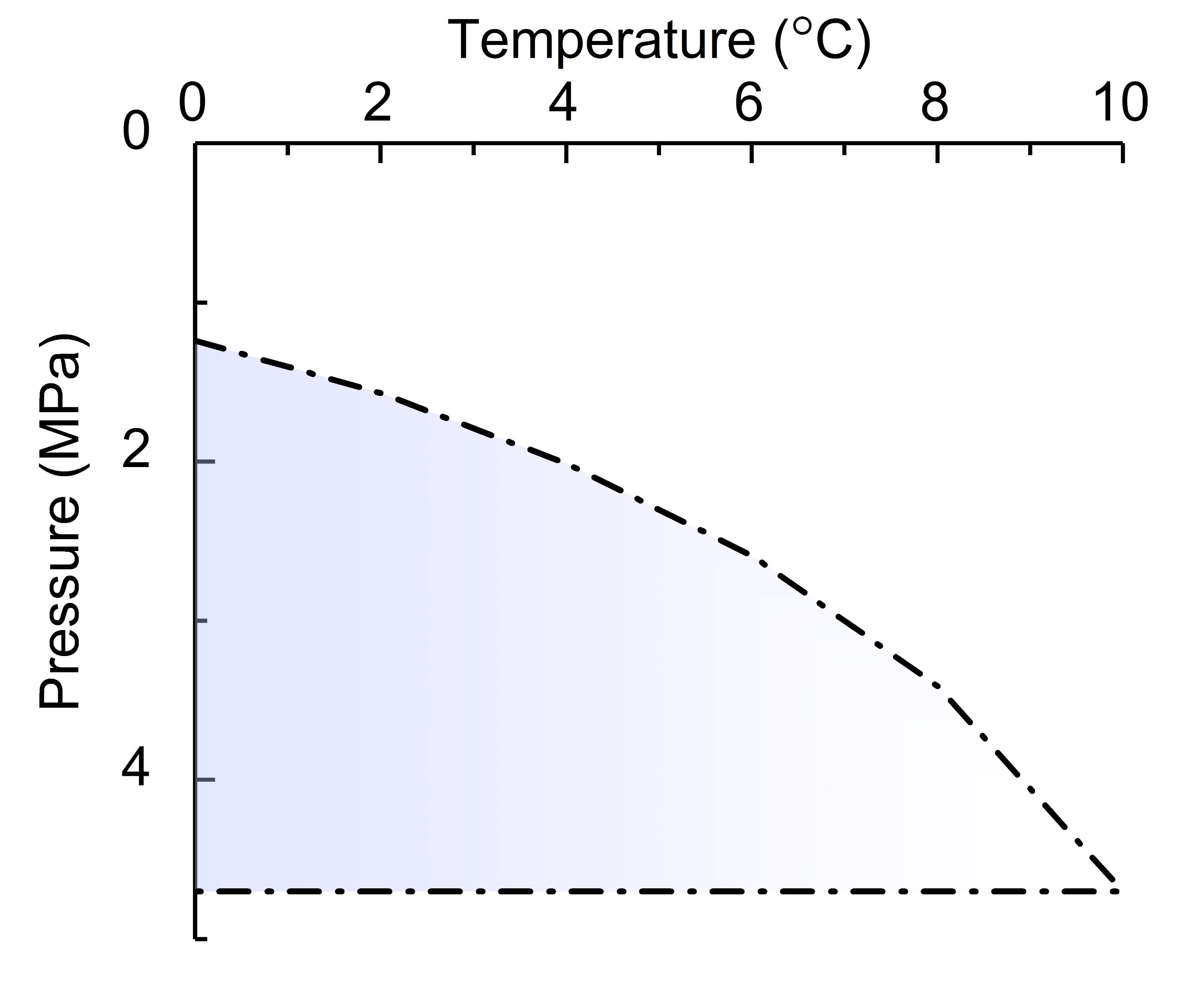 Hydrate stability boundary
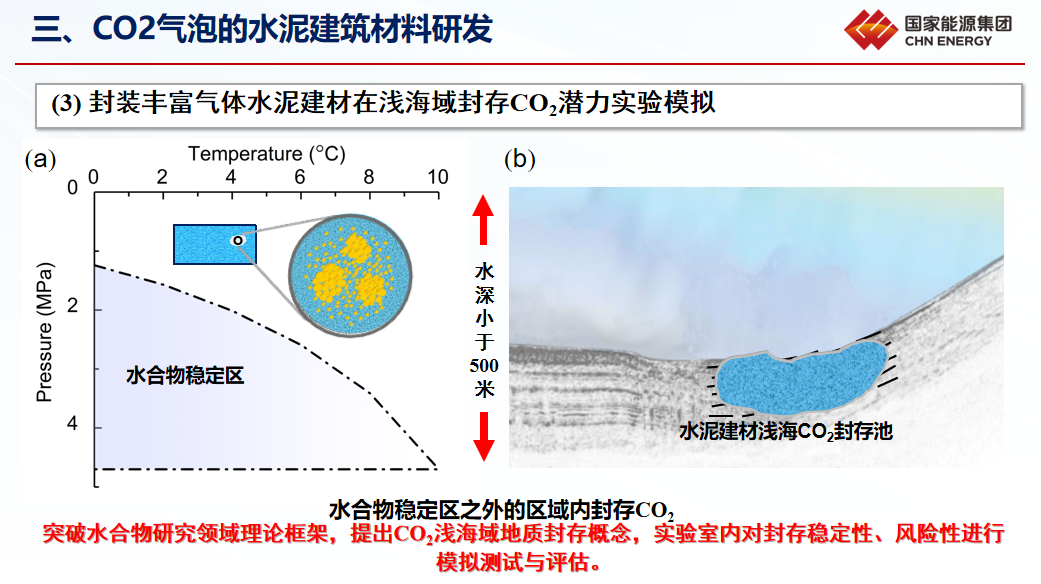 Shallow-marine concept
These proposed concepts test whether captured CO₂ can be incorporated into useful or contained material systems.
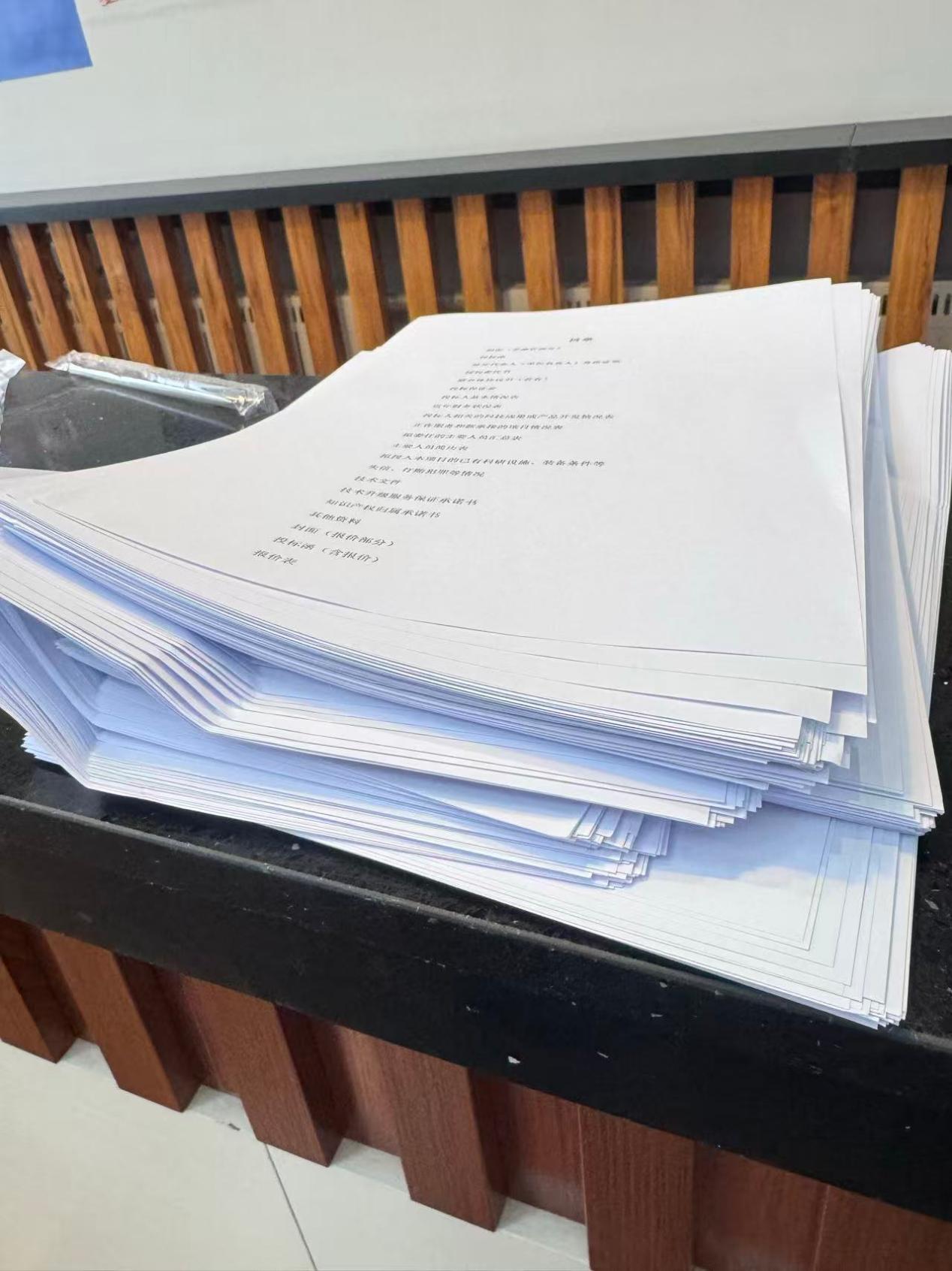 300-page tender prepared within one month
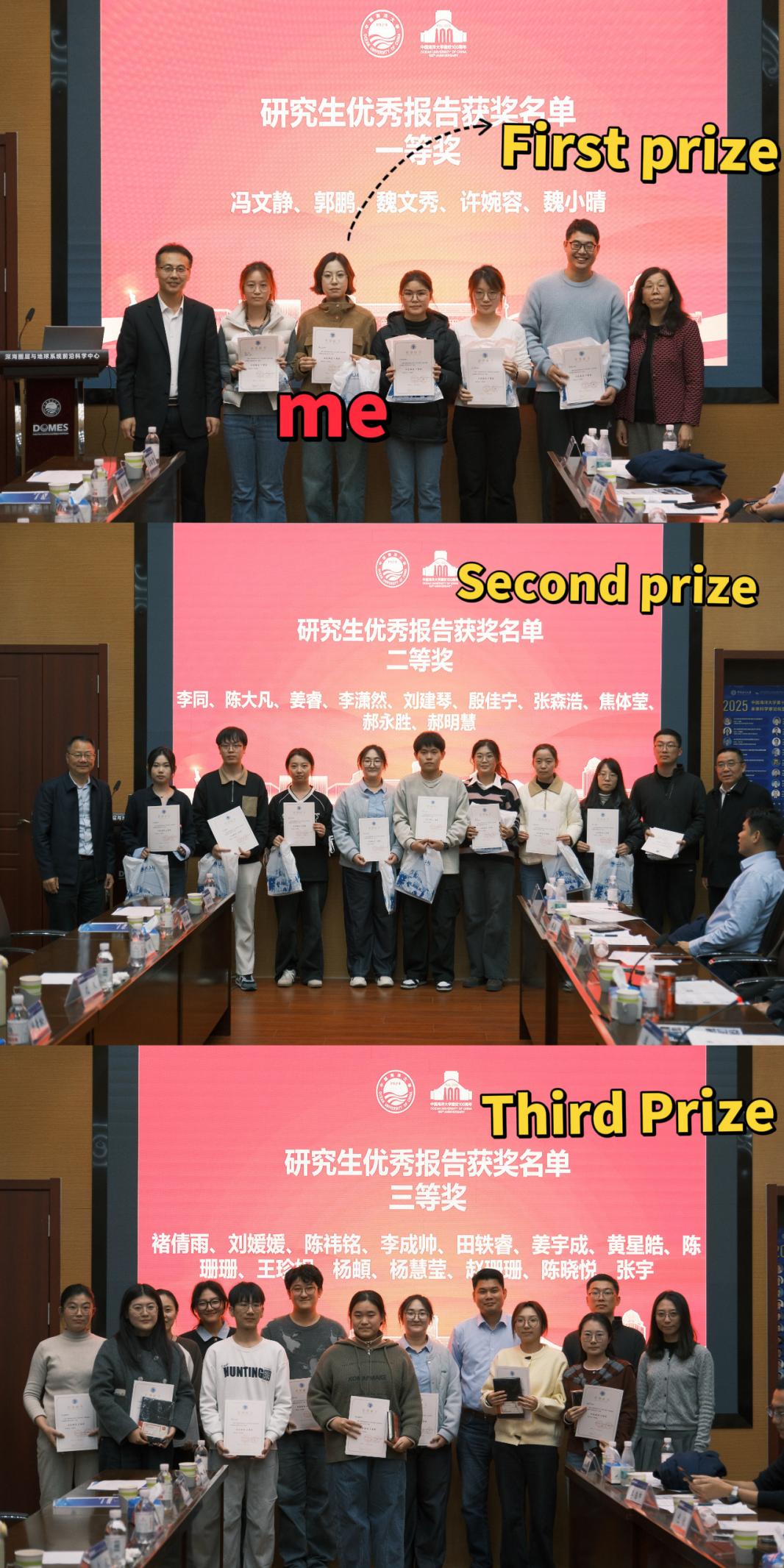 First Prize for oral presentation
The project combined technical research with a complete tender workflow and research communication.
Industrial Context
A coal-fired power plant provided the real boundary conditions.
In an industrial collaboration with CHN Energy, I investigated carbon-capture routes for coal-fired flue gas and translated the literature into project proposals, technical content and a complete tender submission.
- Period
- 2025–2027
- Partner
- CHN Energy · RMB 2.8 million collaboration
- My focus
- Hydrate-based CO₂ capture from flue gas
- Participation
- Sole student participant · Package 1 lead
My responsibility: research methods, review domestic and international progress, draft project proposals and coordinate the full tender process.
Capture & Utilisation Routes
I compared each route by mechanism and engineering constraint.
The project did not begin with a preferred technology. I first compared the main flue-gas capture routes and then examined how captured CO₂ could enter a utilisation or storage pathway.
- AdsorptionCyclic solid sorbents require workable regeneration and stability in real flue gas.
- Membrane separationCompact equipment must balance pressure demand, product purity and recovery.
- Chemical absorptionAn established route whose performance depends strongly on solvent regeneration and degradation.
- Utilisation routesI also assessed mineral carbonation with calcium-rich residues and biological conversion using microalgae.
Selected focus: hydrate-based separation became my main work package because it offered a distinct water-based and reversible capture mechanism, while also presenting clear scale-up problems.
Hydrate Principle
Water cages separate gas through selective hydrate formation.
Under suitable pressure and temperature, hydrogen-bonded water cages encapsulate gas molecules. Selectivity depends on gas composition, operating conditions and additives.
- 01Selective CO₂ enrichment
CO₂ preferentially enters the hydrate phase relative to the remaining gas mixture.
- 02Reversible capture
Hydrate formation stores gas; dissociation releases the captured CO₂.
- 03Water-based medium
Water is the primary feedstock, but practical performance still depends on pressure, cooling and promoter choice.
Engineering Barriers
The separation mechanism is clear; formation speed and energy demand remain difficult.
- 01Long induction time
The onset of hydrate nucleation can be delayed and difficult to reproduce.
- 02Limited mass transfer
A growing hydrate layer restricts gas–water contact and slows further conversion.
- 03Pressure and cooling requirements
Compression and refrigeration add energy demand before scale-up is considered.
Design implication: promotion must shorten induction and improve gas–water contact without introducing excessive dosage, cost or environmental burden.
Promotion Strategy
Activated ice powder and chemical promoters address different parts of the formation problem.
Ice powder supplies heterogeneous nucleation surfaces. Kinetic and thermodynamic promoters change nucleation, growth or phase conditions.
- Literature screeningI compared promoter concentration, reported CO₂ uptake and cost efficiency across surfactants, amino acids, TBAB and mixed systems.
- Candidate formulationActivated ice powder with SDS and L-methionine was selected as a testable combination.
- Selection rulePerformance alone was insufficient; dosage, cost and suitability for later scale-up also shaped the choice.
Proposed Experimental Programme
The research route moves from formulation to controlled formation tests and scale-up assessment.
- 01Formulation
Prepare and optimise activated ice powder with the selected promoters.
- 02Formation tests
Use model flue gas containing CO₂, N₂ and H₂O at −2 to +2 °C and 3–15 MPa.
- 03Scale-up assessment
Use a horizontal reactor to identify the operating factors that matter beyond a small batch test.
Status: these are proposed experimental conditions and a planned programme. I do not present them as completed results.
Prototype Concepts
Captured CO₂ was also considered as part of a material system.
The project proposed a CO₂-bubble cementitious material prepared from solid hydrate, followed by laboratory tests of mechanical and transport properties.
- Prototype sequencePrepare hydrate, grind the solid, release CO₂ during mixing and form rapid-setting specimens.
- Planned characterisationMechanical strength, porosity, bubble size, CO₂ stability, thermal insulation and sound insulation.
- Shallow-marine conceptAssess material and CO₂ retention outside hydrate stability conditions, together with leakage and environmental risks.
Evidence boundary: these pages show prototype and evaluation concepts, not demonstrated storage performance.
Contributions & Skills
I learned how research decisions change when delivery, cost and evidence must align.
- Independent tender coordinationLed a 300-page submission within one month, covering clause checks, qualification evidence and the final online submission.
- First-author reviewResearch Progress on CO₂ Hydrate Formation Mechanisms and Promoters, currently in minor revision.
- Research communicationFirst Prize for an oral presentation at the Chemistry & Ocean Future Scientist Forum.
- Working methodBuild a workable process for an unfamiliar task, investigate independently and ask for guidance on specific unresolved points.
01 / 08