Beyond the CV
How I learned to lead, persist and stay curious.
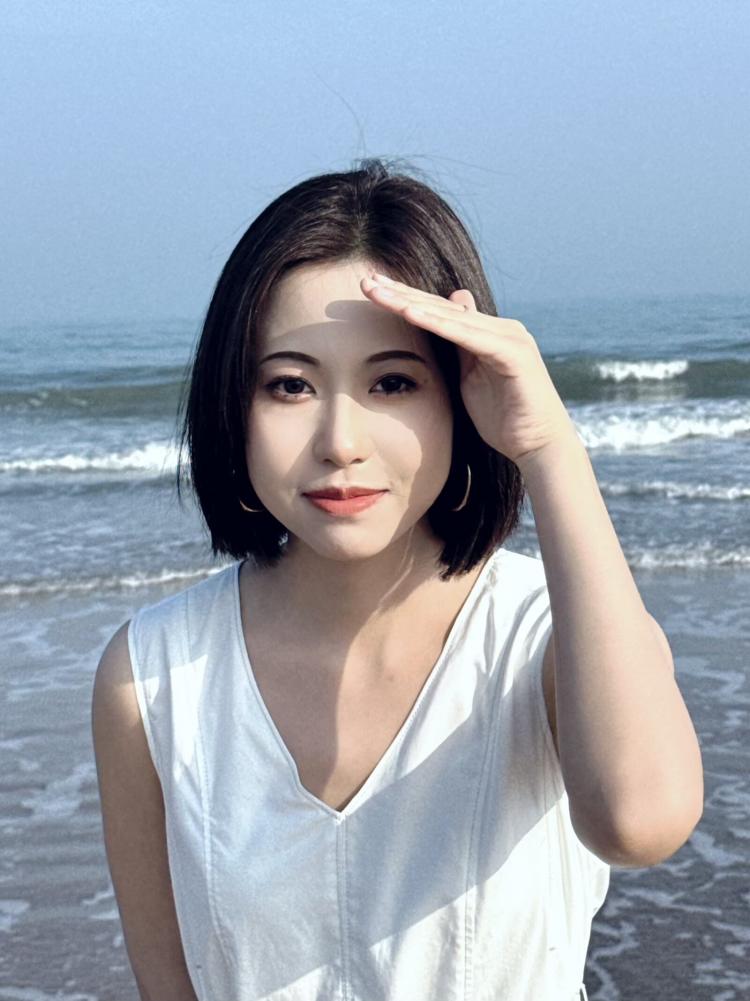
Research records the results. This page records the quieter work behind them: helping people understand, taking responsibility before I felt ready, and learning to move forward without a map.
Undergraduate years
Before I led a bid, I learned to lead a class.
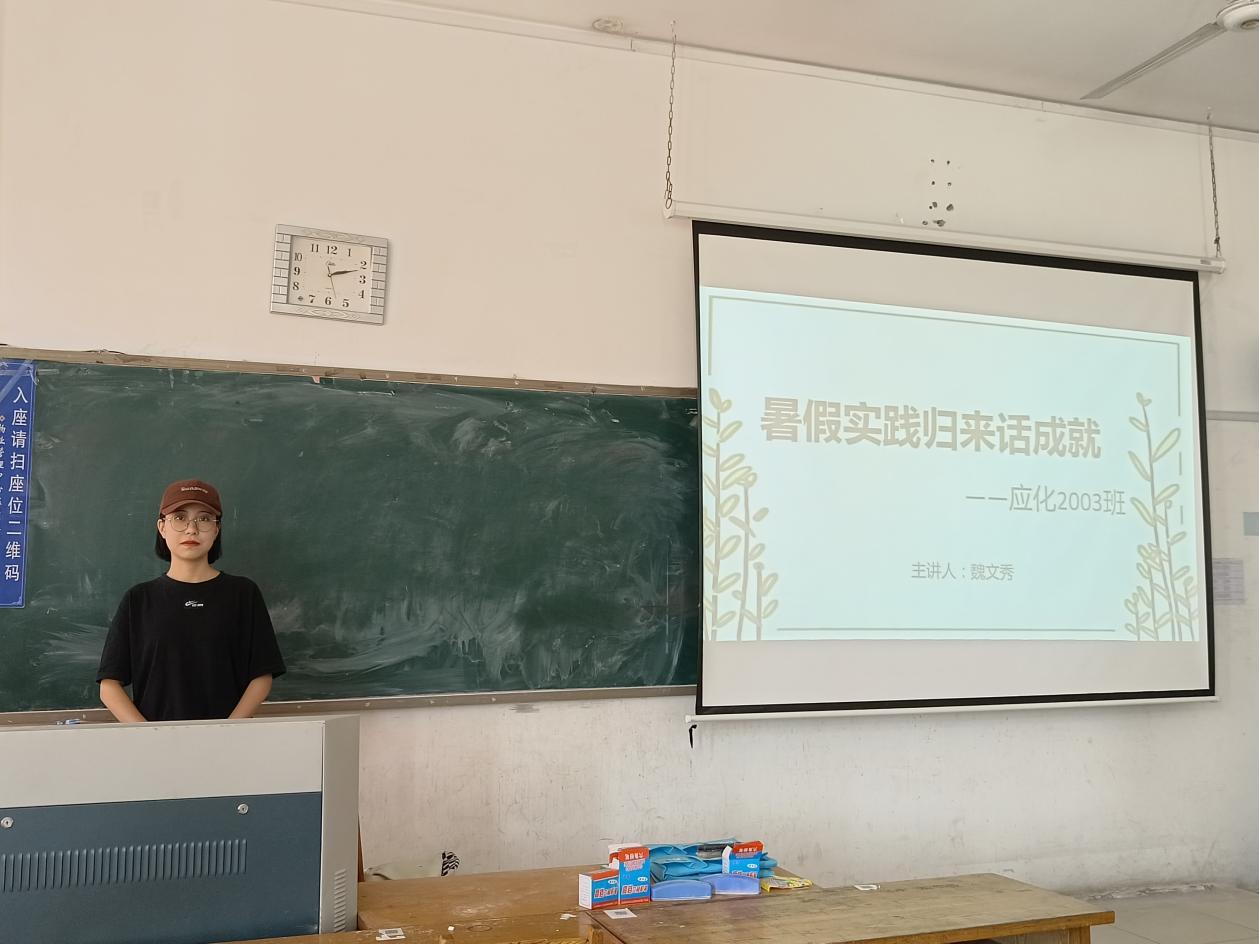
As a principal class officer, I learned that leadership often looks ordinary from the outside: listening carefully, translating unclear information and noticing who might be left behind.
I reorganised notices from faculty so classmates could understand what had to be done and why. Before examinations, I compiled the key material and helped classmates who repeatedly struggled with particular courses. The class ultimately recorded the lowest course-failure rate in the cohort.
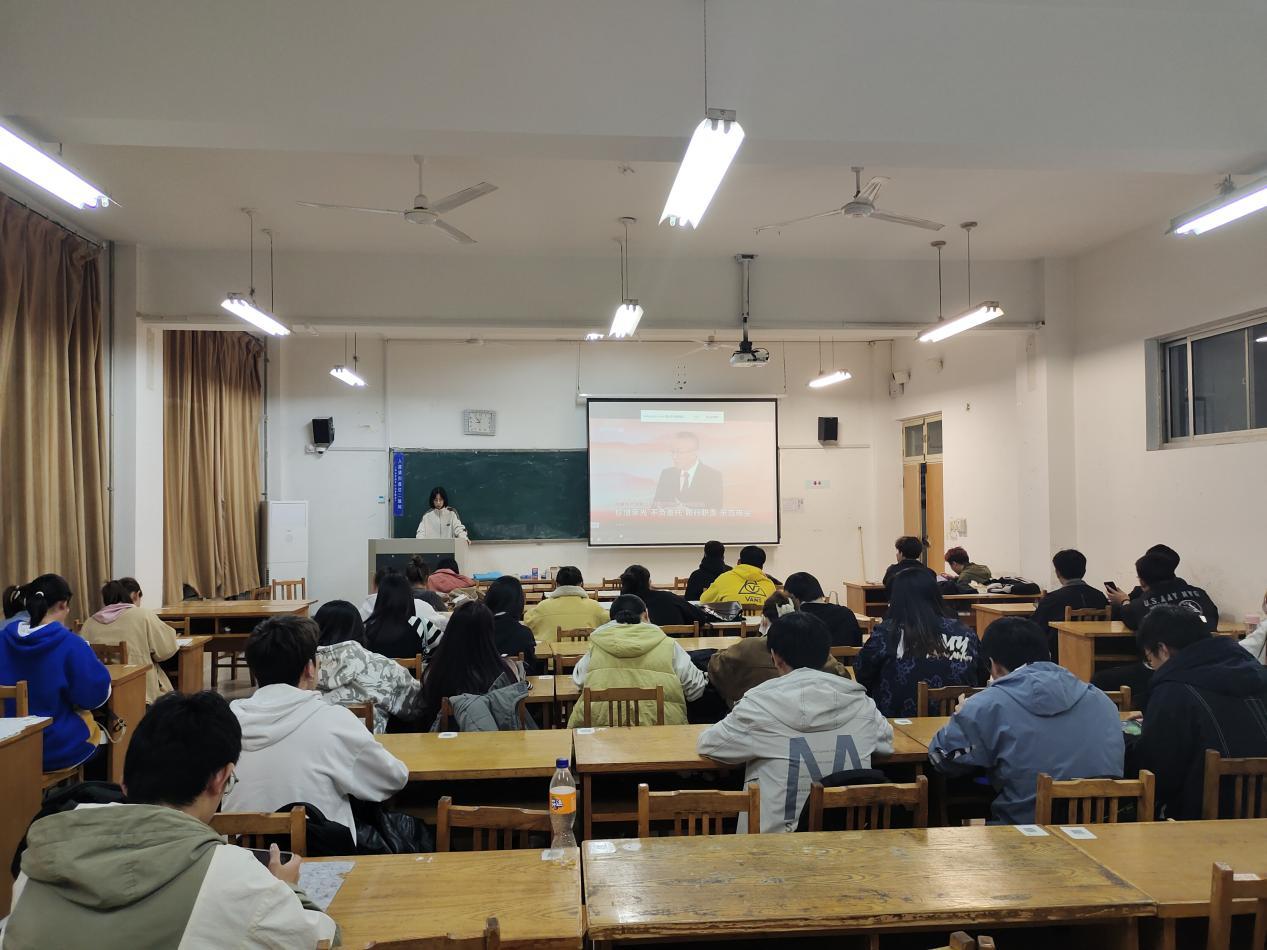
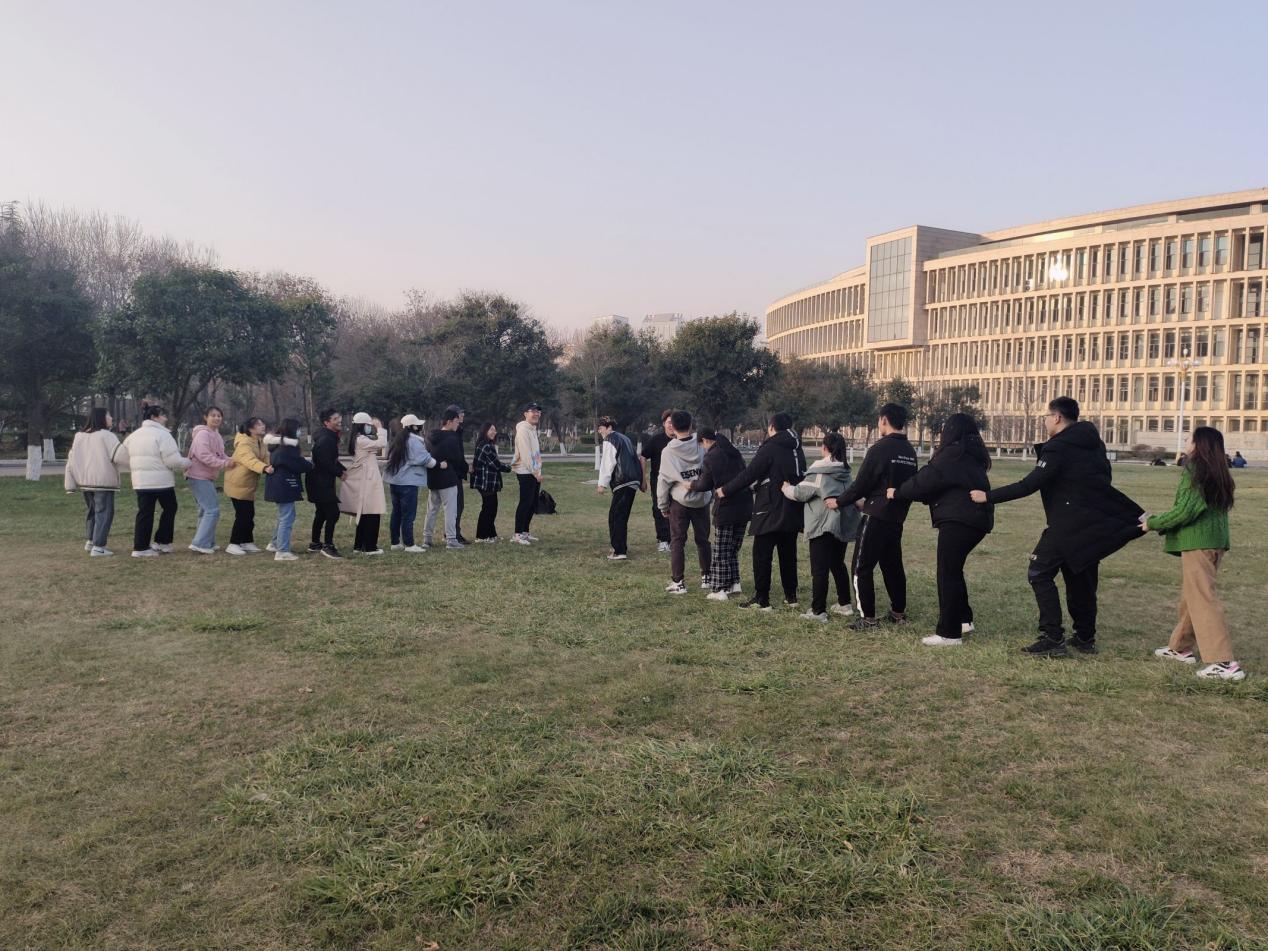
I also negotiated free postgraduate-exam books from a tutoring organisation, invited senior students who had entered strong universities to share practical application advice, organised class activities and helped classmates through unexpected problems—including accompanying an injured student to hospital.
None of this felt dramatic at the time. It taught me to make information usable, coordinate people with different needs and take responsibility without waiting to be asked twice.
Master’s stage · CCUS collaboration
A 300-page tender. One month. No internal template.
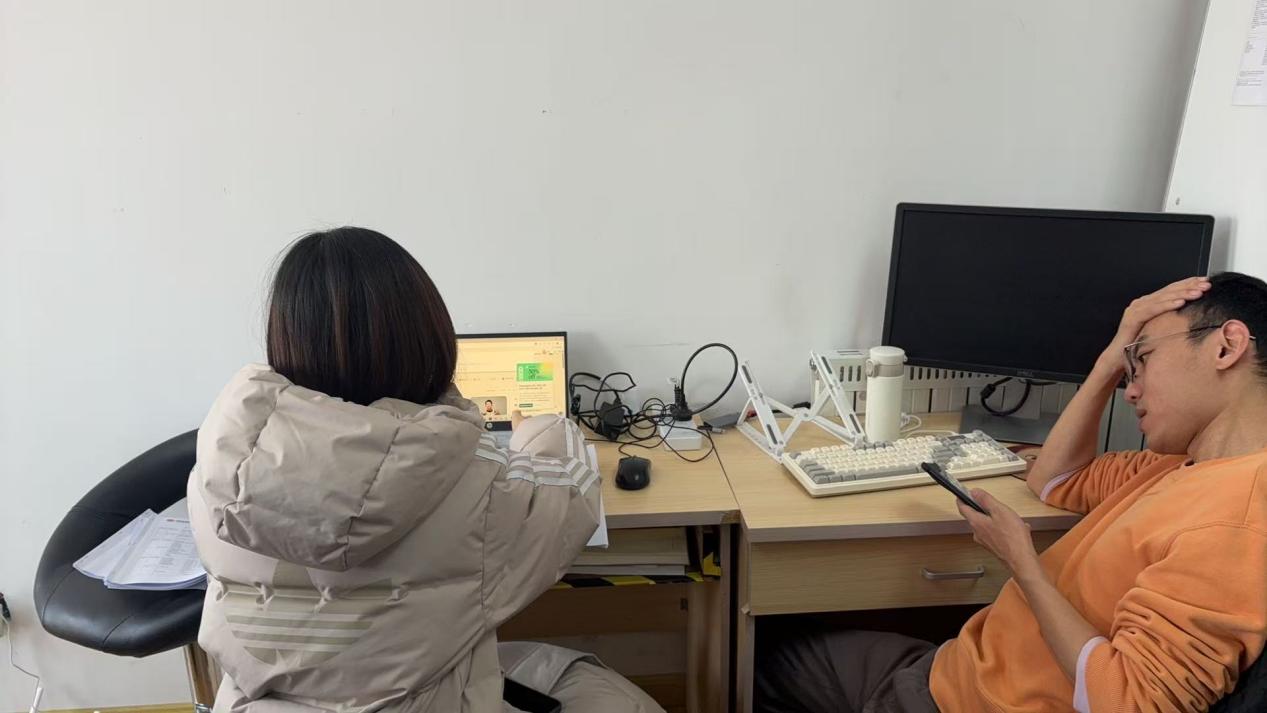
When my supervisor assigned me the tender for a CHN Energy project, the hardest part was not the volume. It was that nobody around me had done it before.
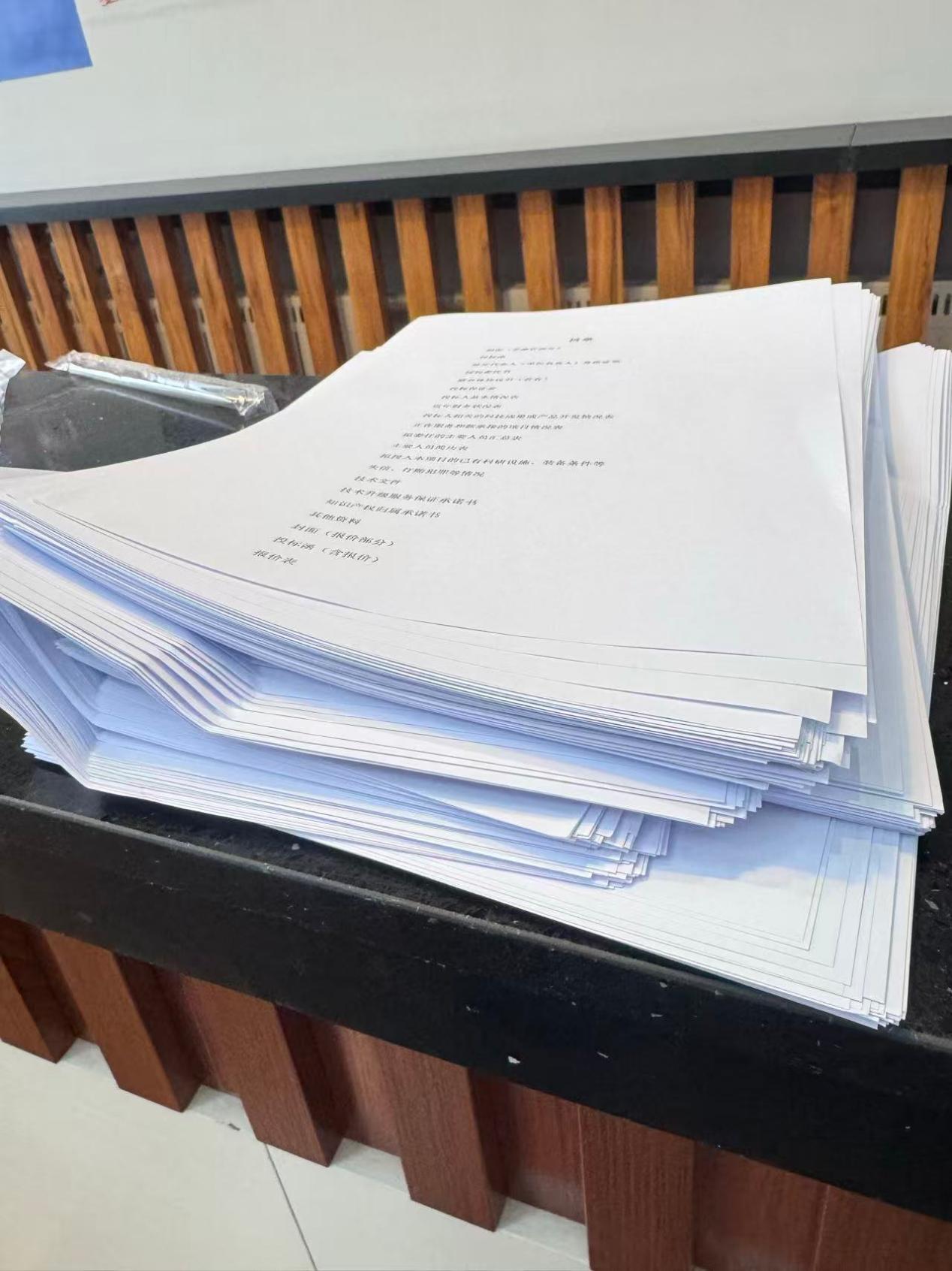
The project focused on coupling carbon-reduction technology for coal-fired power plants with marine utilisation pathways. I became the principal coordinator for the tender stage and had to learn the process from zero: purchase and interpret the tender documents, identify disqualifying and high-priority clauses, map every required item, and collect more than a dozen categories of qualification evidence.
When no template existed, I asked. I went from office to office to find the right person, compared published accounts of failed bids, and rebuilt the workflow around those risks. I separated problems I could solve independently from decisions that needed my supervisor’s resources, estimated when extra help was necessary, and reported progress in a form that could be understood at a glance.
Within one month, we completed and submitted a 300-page package online. Afterwards, I wrote down the entire process for the group. Finishing the bid mattered; leaving behind a path that others could reuse mattered just as much.
“I stopped treating uncertainty as a reason to wait. I learned to turn it into a list of questions, owners and next actions.”
Academic communication
I found energy—not fear—at the front of the room.
Research becomes more precise when I have to explain it to someone else.
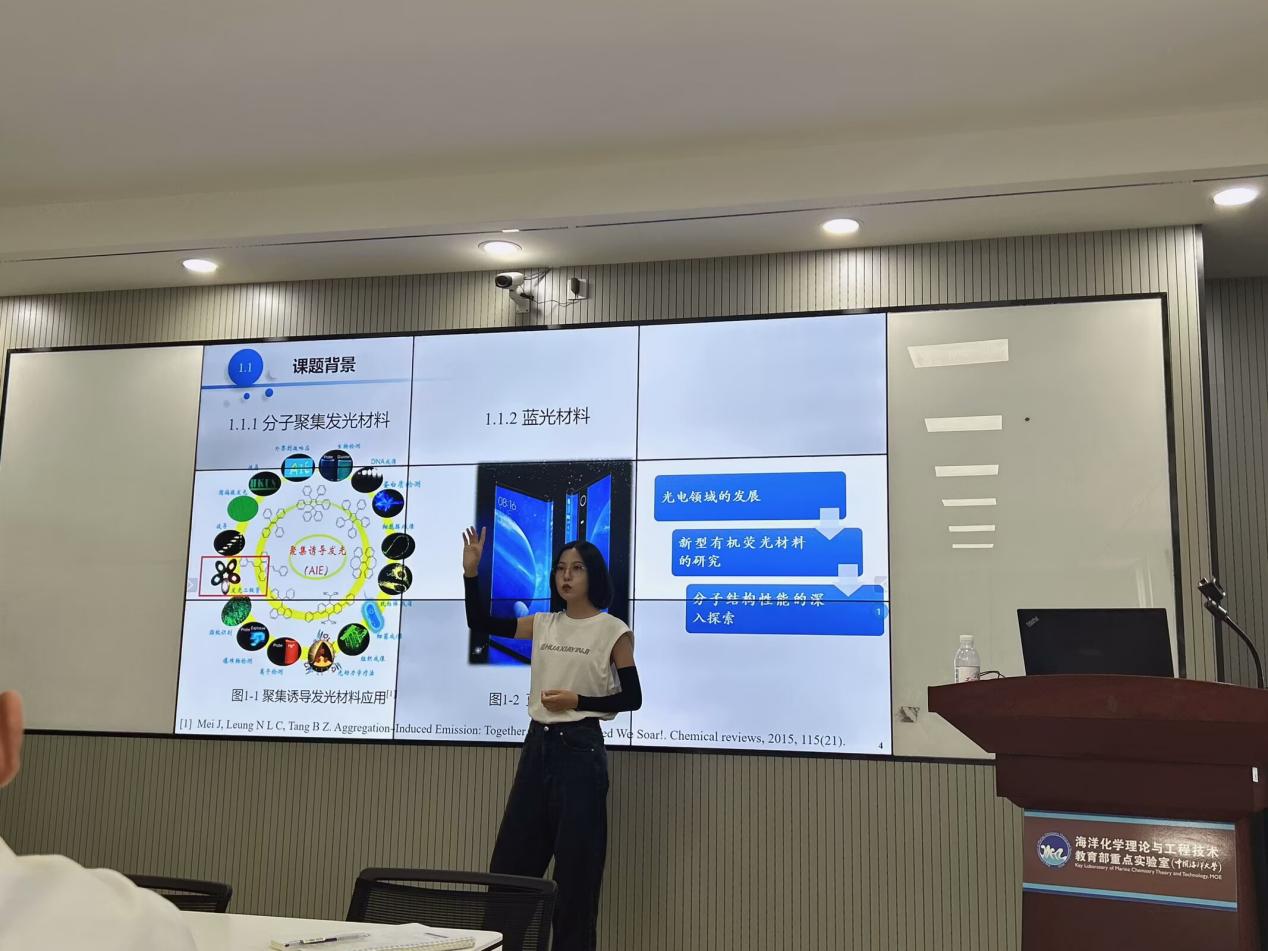
I actively look for opportunities to present. When I am absorbed in a question, I become animated; I want the audience to see not only the conclusion, but the reasoning that made it convincing.
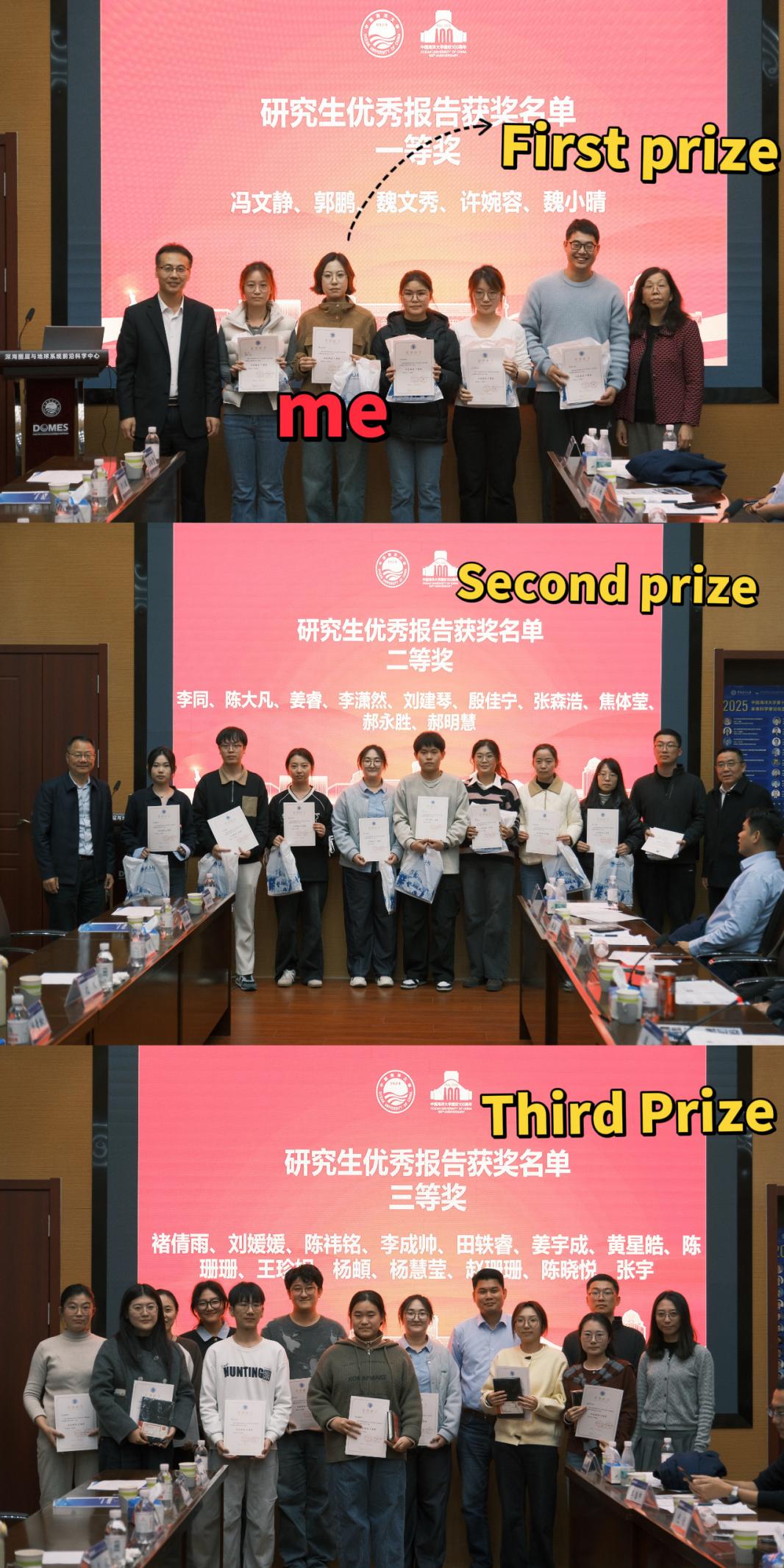
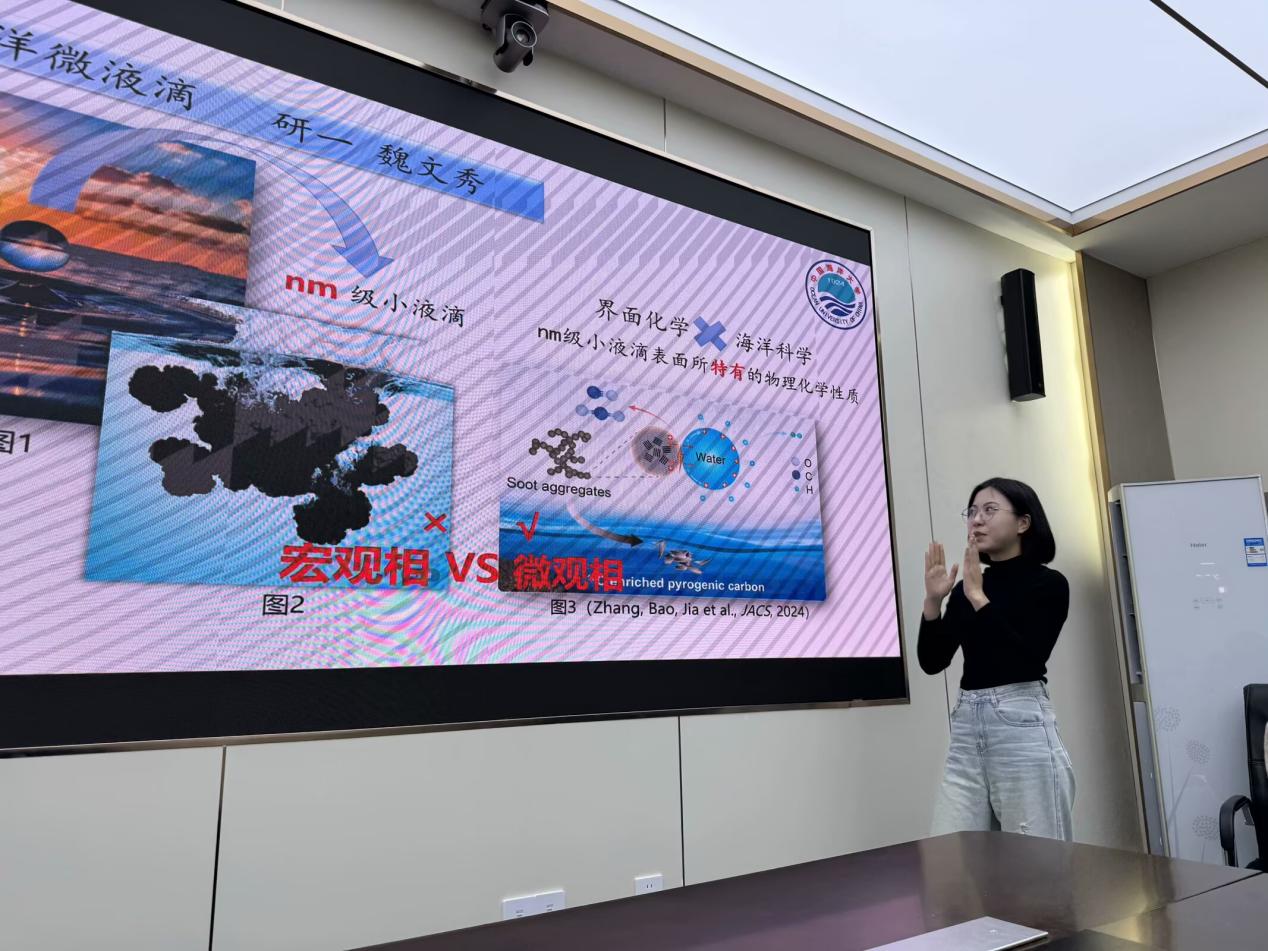
At the Chemistry & Ocean Future Scientist Forum, I presented the CCUS project and received First Prize for the oral presentation. The award was meaningful, but the stronger lesson was that technical work gains value when it can be communicated clearly across disciplinary boundaries.
Resilience
A difficult year changed how I understand persistence.
While preparing for the postgraduate entrance examination, I faced serious personal and health setbacks. Progress became something I had to rebuild day by day.
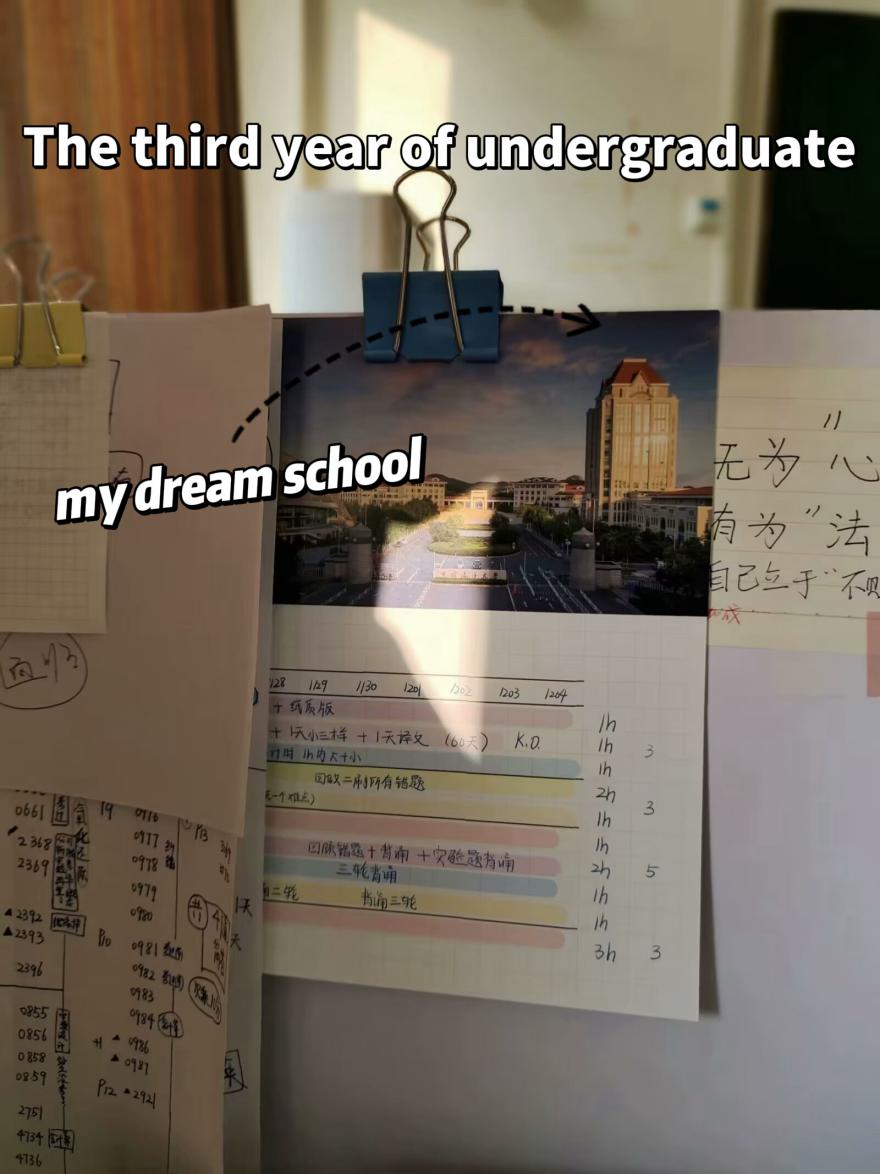
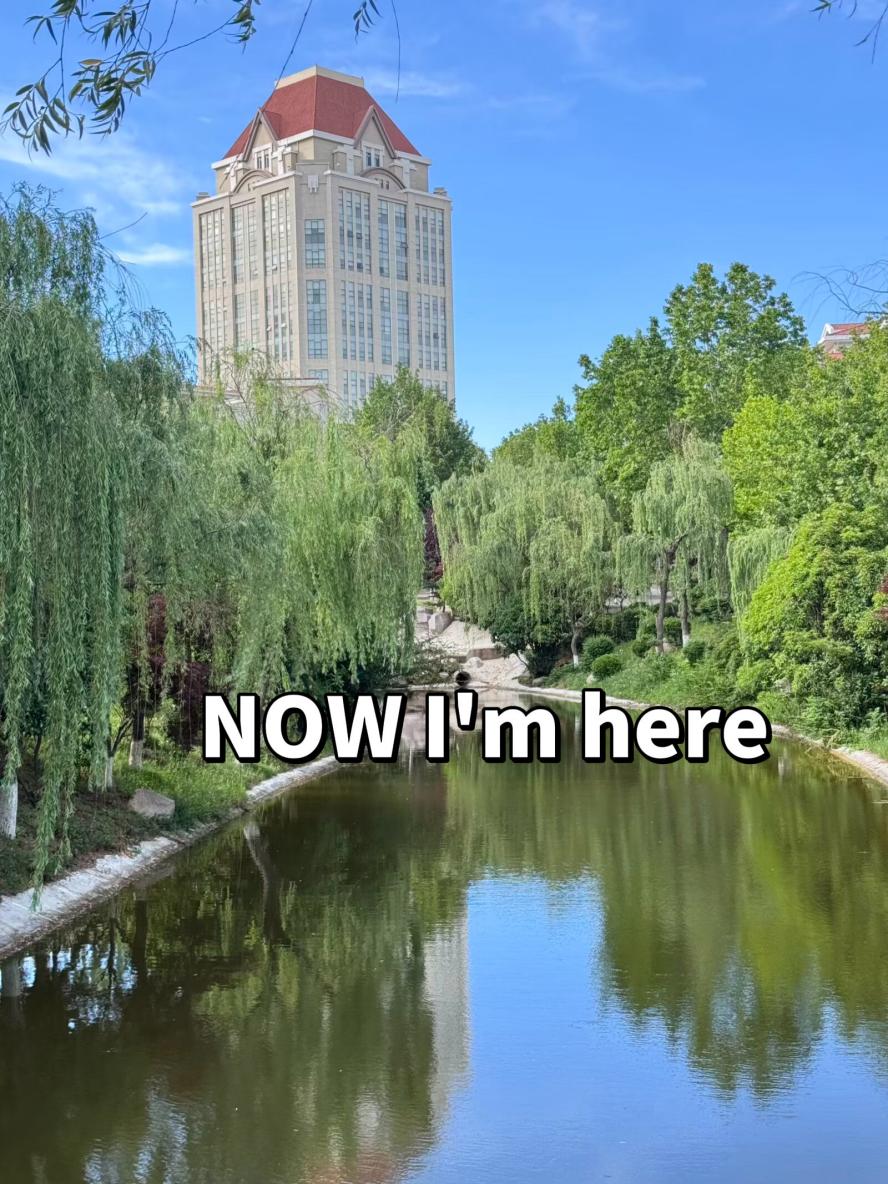
I learned to protect my own future, ask for what I needed and keep working without pretending that the circumstances were easy. That period brought me from an undergraduate programme at Shandong University of Technology to the MSc in Chemistry at Ocean University of China—the university I had once kept on my desk as a distant goal.
Standing there later did not make the difficult period disappear. It gave it a different meaning: I had evidence that a future can be built before it feels close. That is the confidence I now bring to the next step of pursuing a PhD.
Life beyond research
Friendship, a camera and a song at graduation.
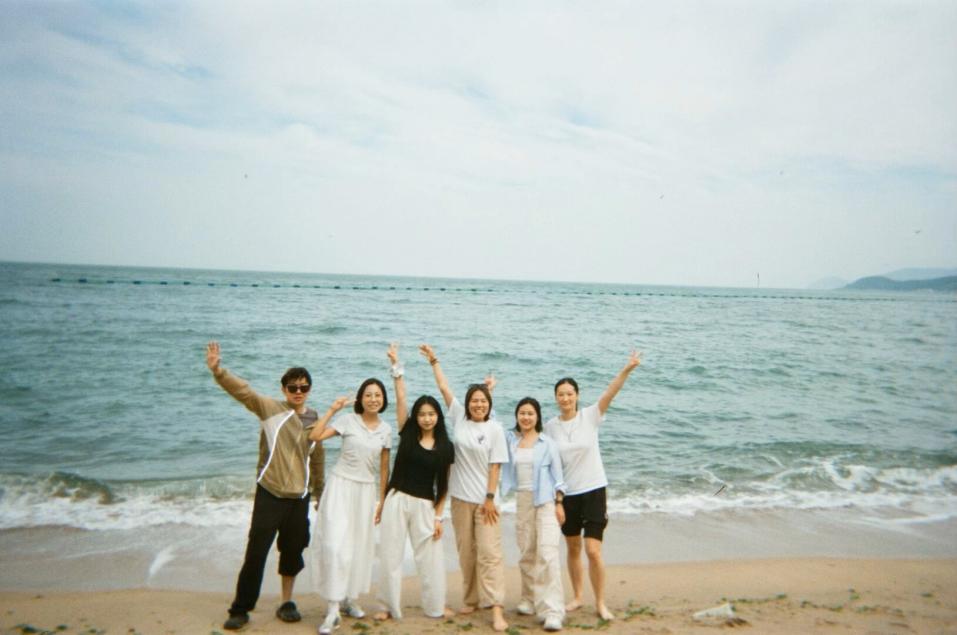
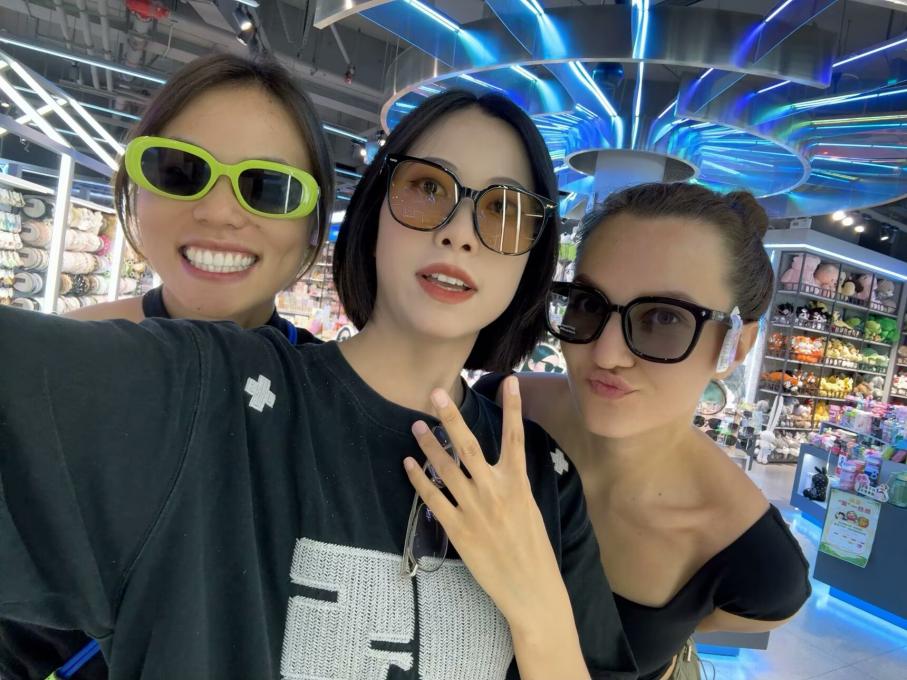
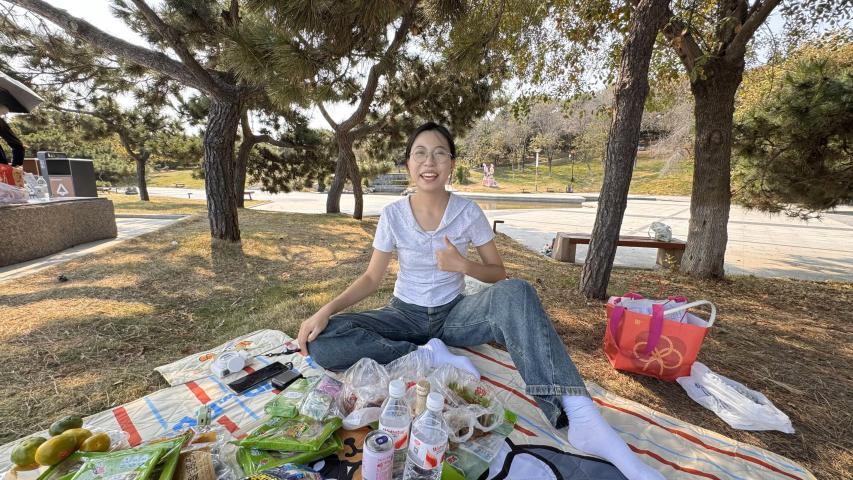
The people around me have shaped my growth as much as any formal milestone. With friends, I learn to be present: running across a field, sharing a picnic, watching sunrise by the sea and making room for joy during demanding years.
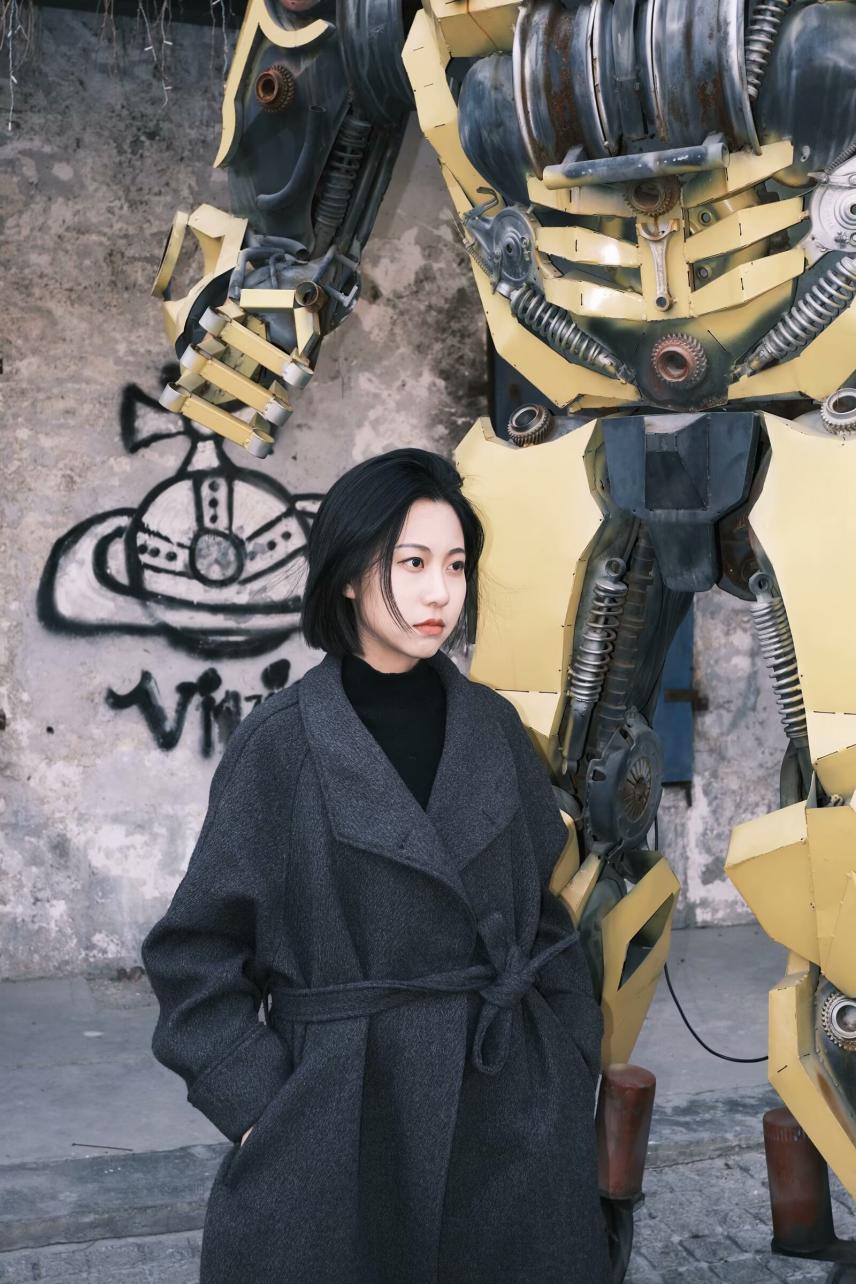
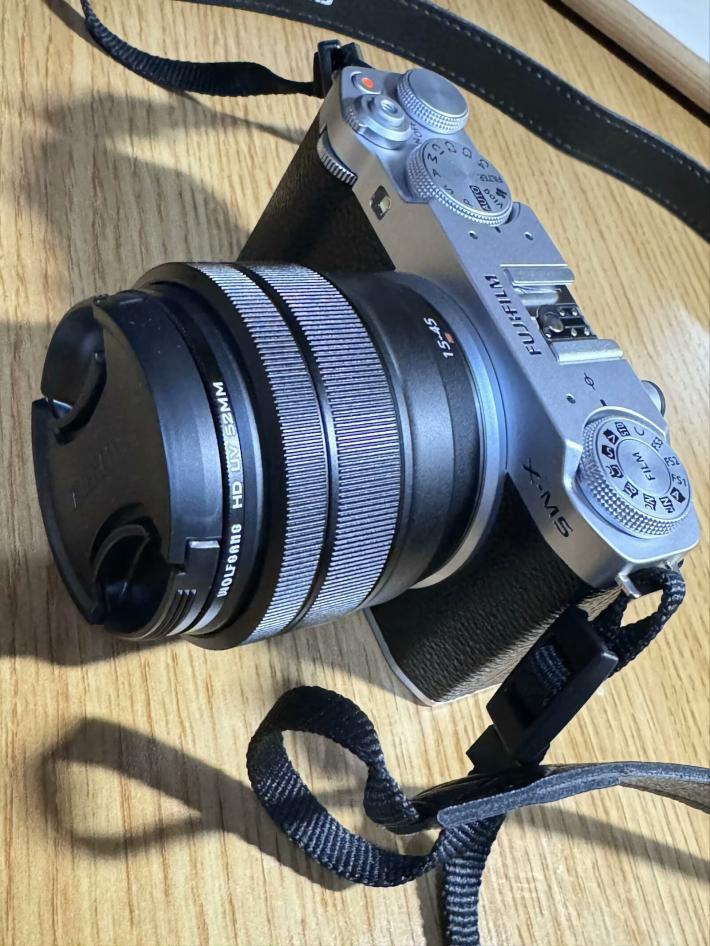
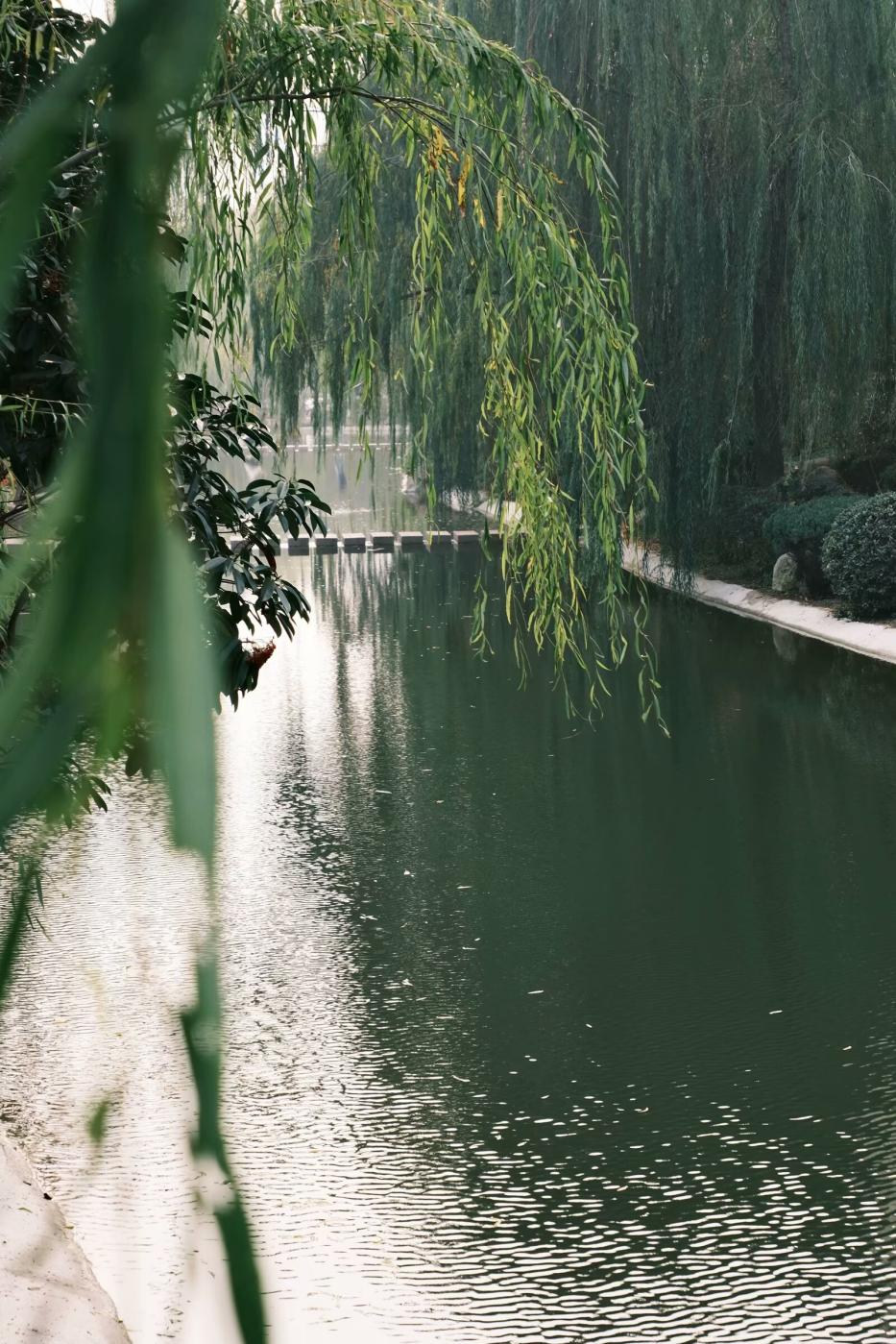
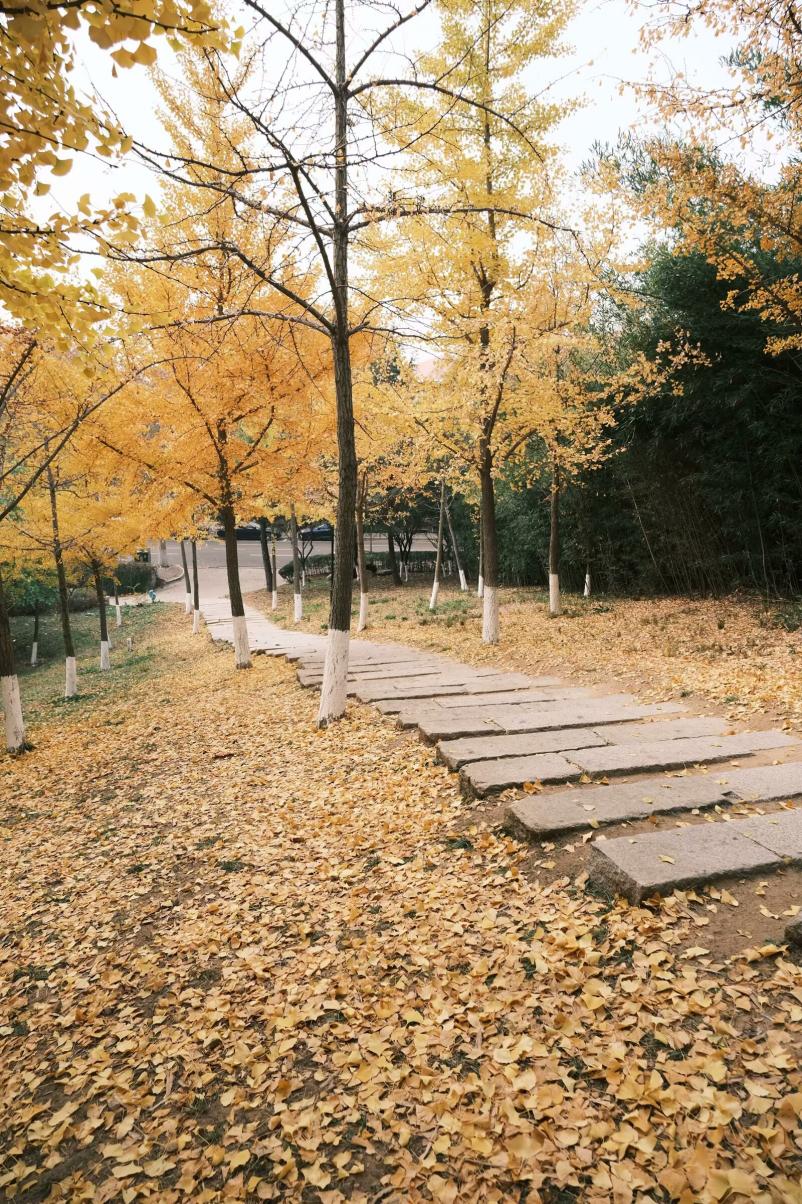
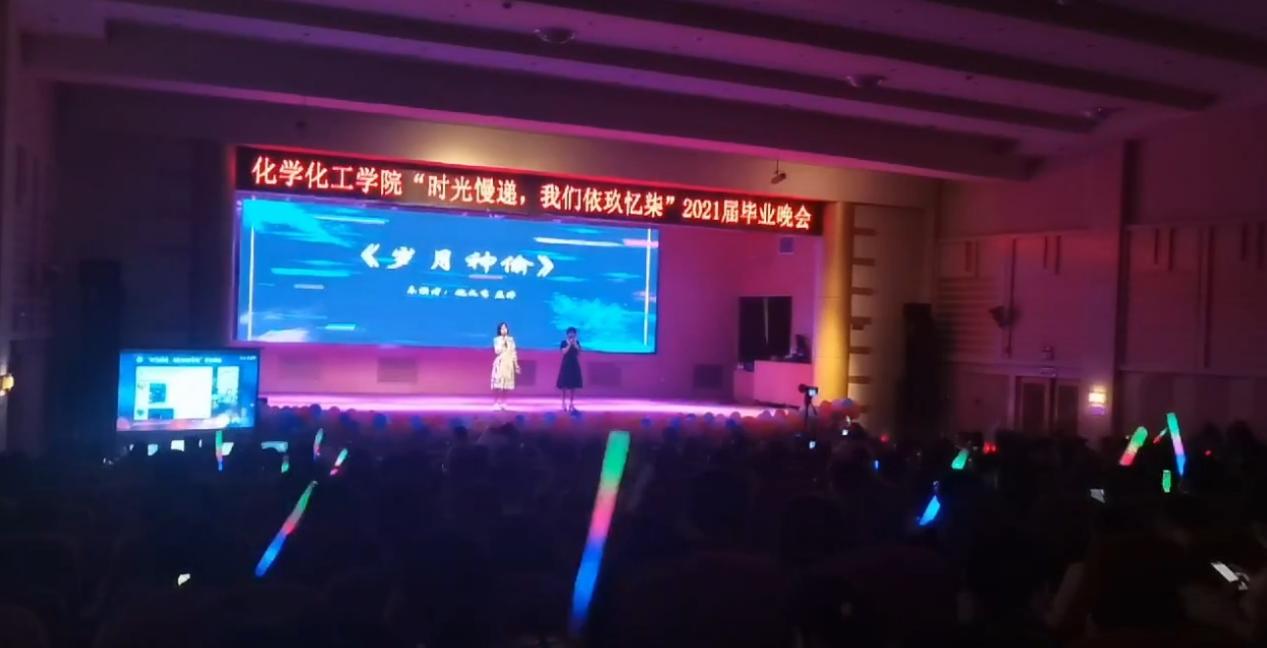
I also like to photograph the small things that would otherwise pass unnoticed—a camera on a table, light on water, leaves turning gold. At my undergraduate graduation ceremony, I sang 岁月神偷 for the graduating class, a song about time moving faster than we expect. It felt like the right farewell.
“Today is the youngest day of the life ahead of me. I want to meet it fully.”