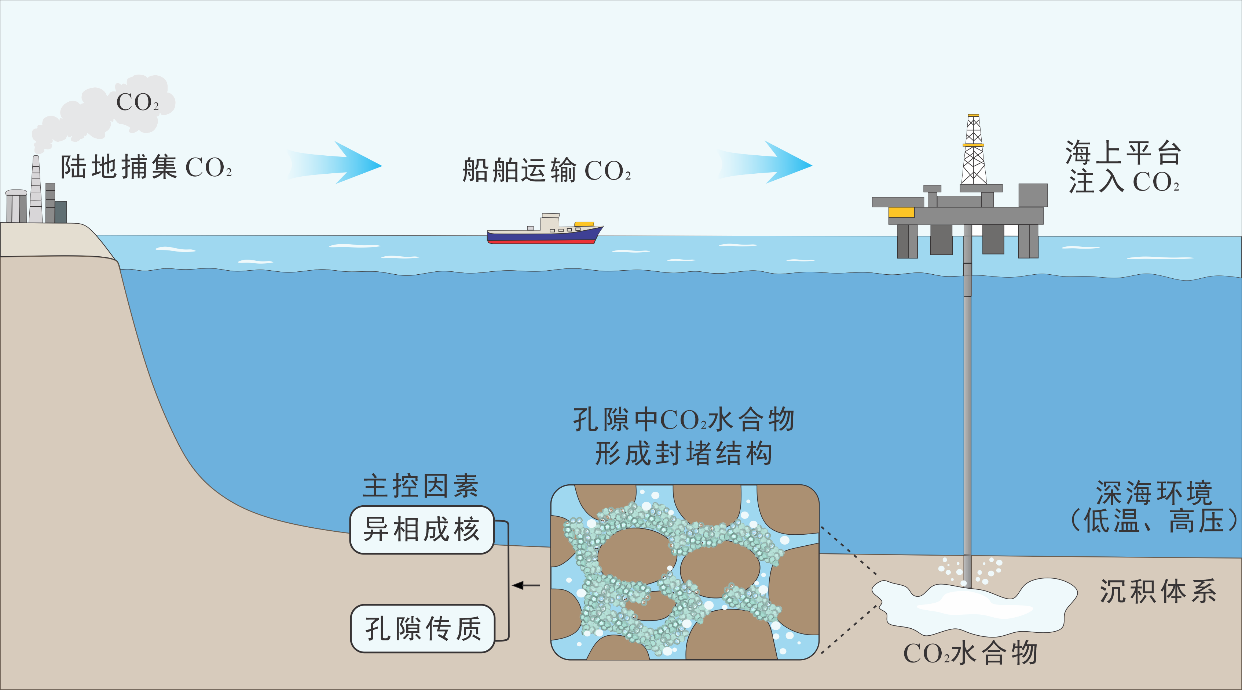
From a capture concept to an industrially credible route.
I evaluated hydrate formation conditions and promoters, helped shape a capture-to-mineralisation concept, and coordinated a complete tender submission.
View the full case studyWenxiu Wei 魏文秀
MSc Chemistry Researcher · CCUS
Open to funded PhD opportunities across CCUS · Available after July 2027
I study how mechanism, material behaviour and process constraints can guide more controllable, energy-efficient approaches to CO₂ capture, utilisation and storage.
The thread
I did not begin with a fixed label for my research. I began with a habit: look closely, ask what causes the signal, and keep following the mechanism.
My undergraduate thesis taught me to move from molecular geometry to excited-state behaviour. An industrial CCUS collaboration then pushed me outward—from molecules to operating conditions, scale-up constraints and technical decisions. My current experimental work has brought me back to evidence: preparing samples, operating an RPO–CRDS system and deciding what temperature-resolved signals can genuinely support.
The scale has changed, but the logic has not. For doctoral research, I am seeking a CCUS-focused group where mechanistic reasoning, carefully designed experiments and rigorous analysis can address meaningful questions in carbon capture, utilisation or storage. I am open to different materials, processes and technical routes within that broader direction.
DFT and TD-DFT photophysics
Industrial CCUS route assessment
RPO–CRDS and multi-evidence analysis
Lower-energy CO₂ capture and conversion
Selected research
Each project states what I did, what the evidence shows, and where my responsibility ended.
I evaluated hydrate formation conditions and promoters, helped shape a capture-to-mineralisation concept, and coordinated a complete tender submission.
View the full case study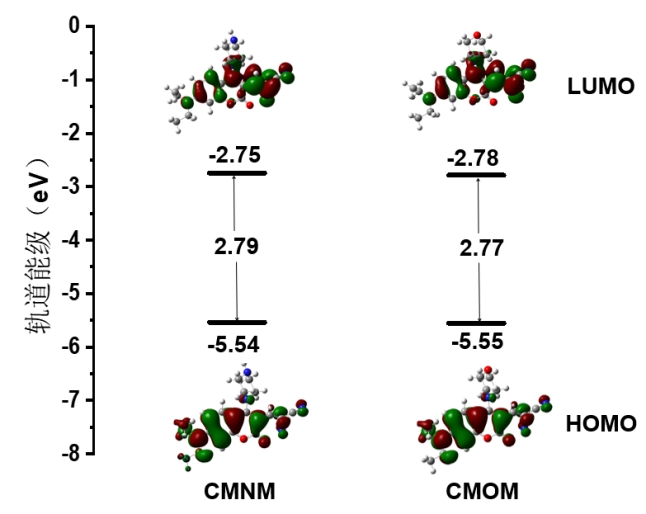
I connected optimised geometries, orbitals, transition composition and decay-rate calculations to explain the photophysical behaviour of CMOM and CMNM.
View the full case study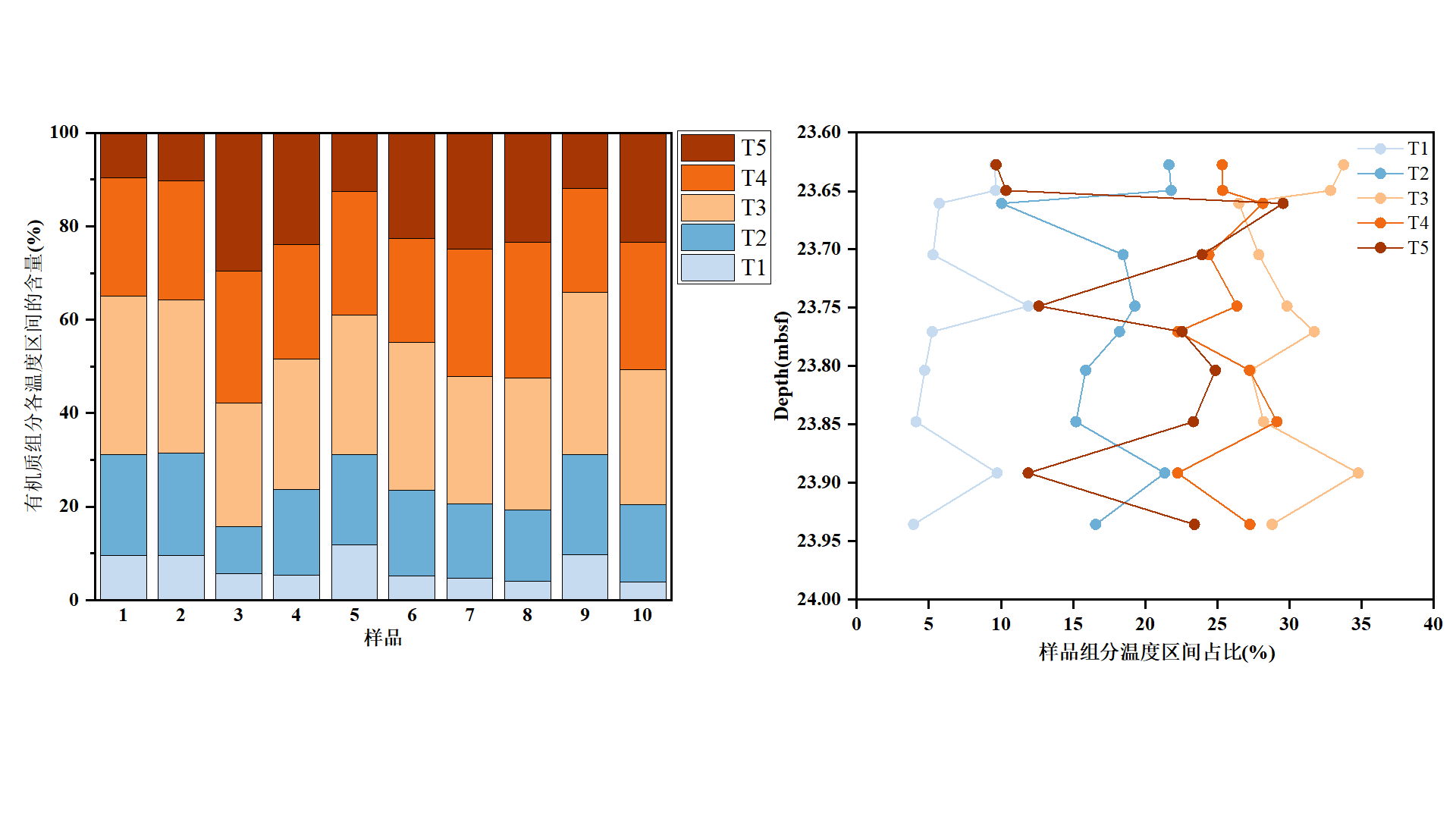
I independently prepare samples, operate RPO coupled to Picarro CRDS, and compare CO₂ and δ¹³C profiles across multiple evidence streams.
View the full case studySoftware & research tools
I use these tools across molecular modelling, data analysis, process evaluation, technical drawing and clear scientific communication.
Structure preparation, molecular visualisation and computational analysis.
Experimental plots, scripting, process simulation and computational access.
Chemical drawing, CAD and polished research graphics.
How I work
From uncertainty to a usable system
When our group entered a CHN Energy tender, nobody around me had completed this process before. I turned an unfamiliar call into a requirements map, tracked more than a dozen qualification documents, organised support and completed a 300-page submission within one month.
The lasting lesson was not only how to prepare a bid. I learned to report upward with judgement: solve what I can, identify what requires a supervisor’s decision, estimate the help needed, and make progress visible. Afterwards, I documented the workflow so the next person in the group would not have to begin from zero.
Read the full leadership story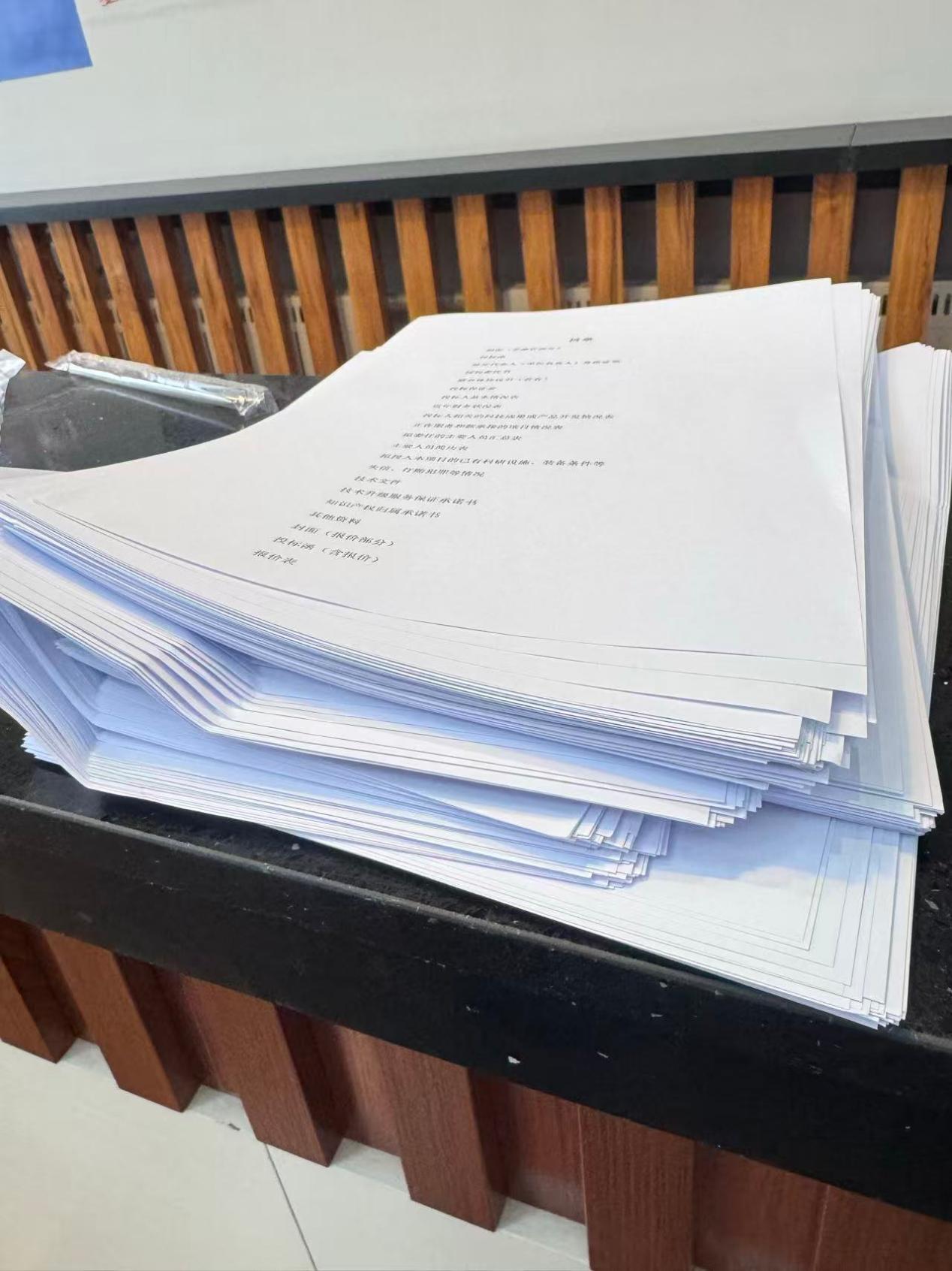
PhD direction
01Capture
Materials, mechanisms and lower-energy separation or regeneration.
02Utilisation
Catalytic and integrated routes that turn captured CO₂ into useful products.
03Storage & systems
Durable storage, process integration and performance under realistic conditions.
Open to: materials-, process- or systems-focused research across carbon capture, utilisation, conversion and storage.
Background
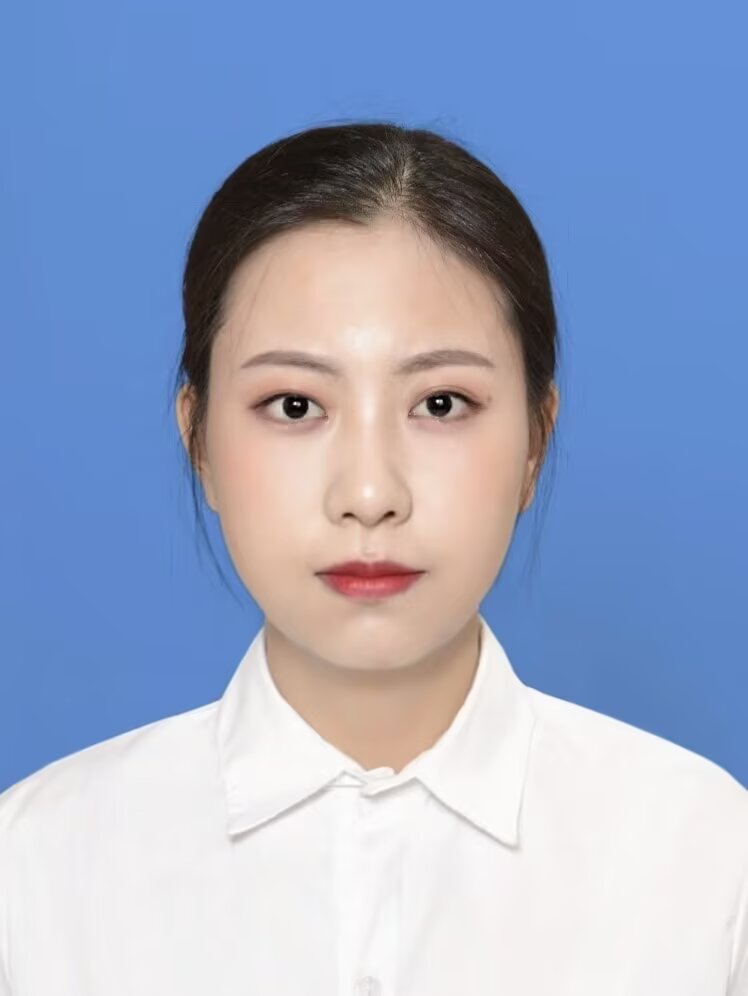
Ocean University of China · expected 2027
CO₂ hydrate formation mechanisms and promoter effects in deep-sea sedimentary systems.
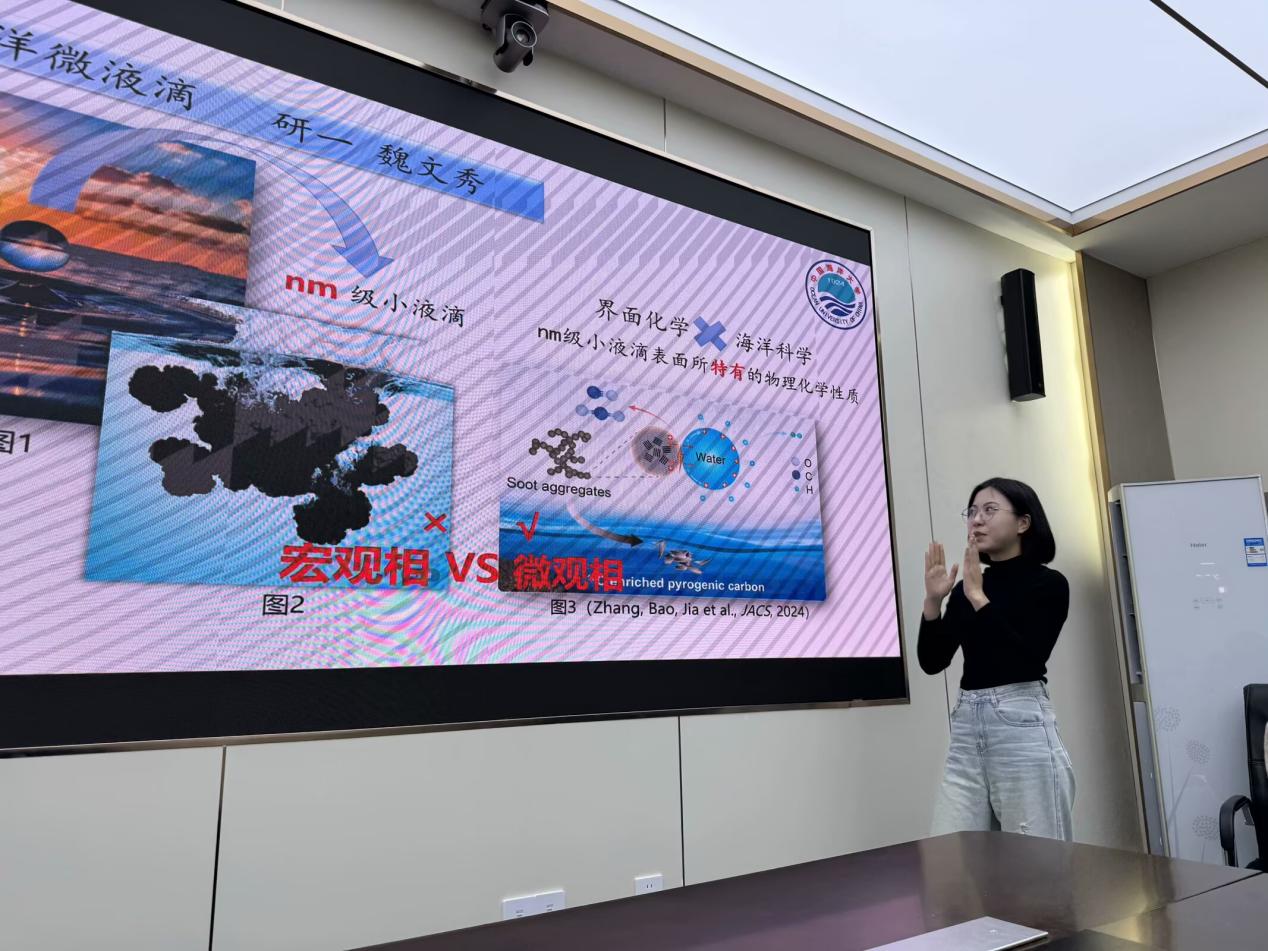
Chemistry & Ocean Future Scientist Forum · CCUS project presentation
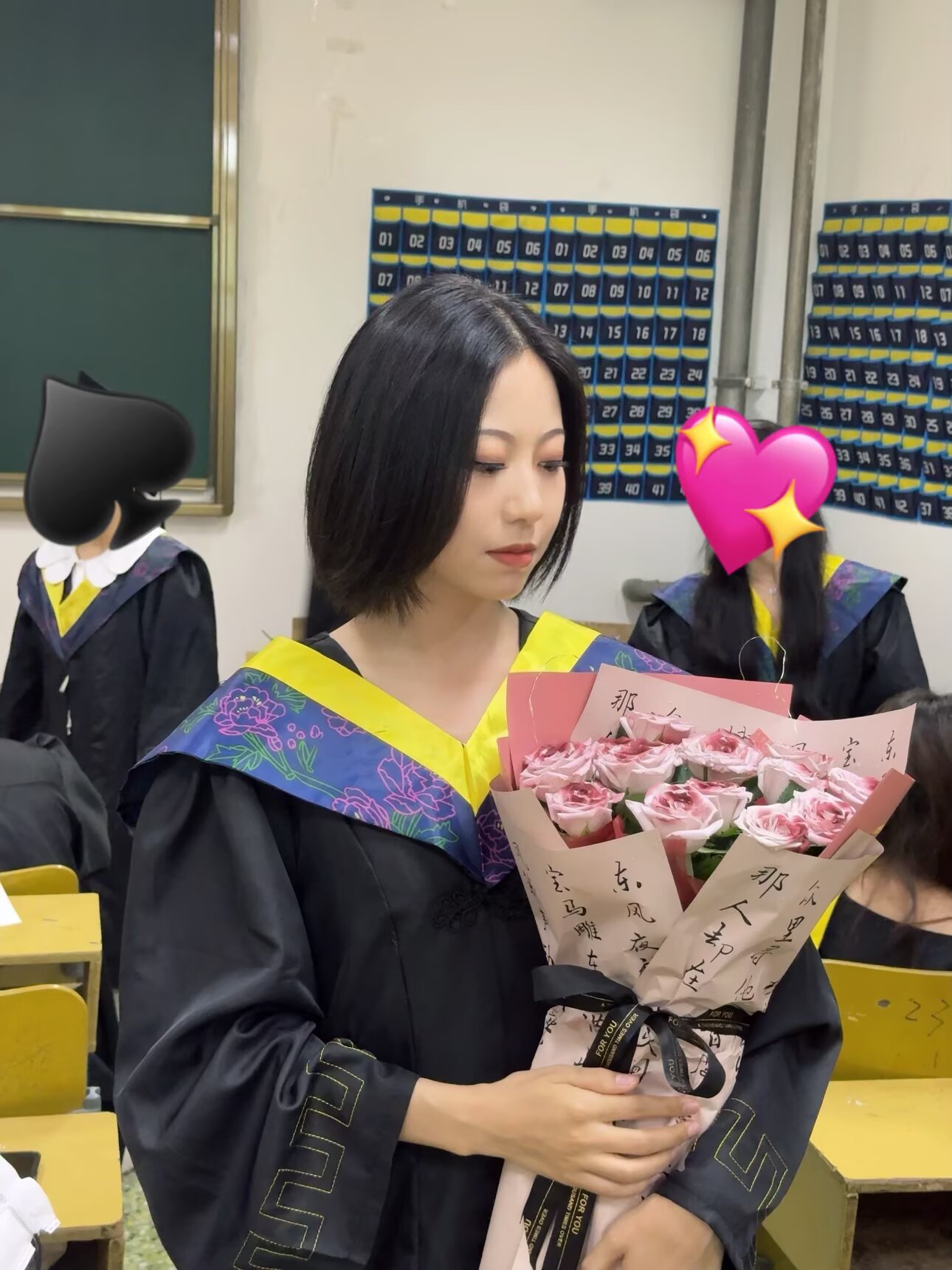
Shandong University of Technology · computational photophysics thesis
Shandong Provincial College Students’ Innovation & Entrepreneurship Training Program · team member
Research conversation